Why Every Woman Deserves A Solo Retreat
Why I think every woman should have a solo retreat is simple: we spend so much of our lives responding to other people that we can lose touch with our own voice. A retreat does not have to mean an expensive spa, an exotic destination, or a perfectly planned week of wellness. It can be a quiet night in a nearby town, a weekend by the sea, or a day deliberately protected from everyone else’s demands.
For me, stepping away is not an act of selfishness. It is a way to listen. When the noise becomes constant, it is difficult to distinguish genuine desire from obligation, intuition from anxiety, or a meaningful ambition from somebody else’s expectations. Time alone gives those quieter truths room to surface.
This is especially important for women who are carrying professional responsibilities, family commitments, emotional labour, and the invisible work of keeping everything moving. We are often praised for being dependable, adaptable, and endlessly available. A solo retreat offers a different kind of strength: the willingness to pause before the body and mind force us to stop.
Solitude Is Different From Loneliness
Loneliness is the painful feeling of being disconnected, unseen, or unsupported. Solitude is chosen space. It can be restorative because the decision belongs to you. You choose the setting, the pace, the food, the company, and the moment when the phone goes away. That sense of agency matters.
A solo retreat is not about rejecting the people we love. It is about returning to relationships with more honesty and energy. When I am constantly surrounded by expectations, I can become efficient without being present. A little distance helps me notice whether I am saying yes because something matters to me or because I am afraid of disappointing someone.
There is also freedom in discovering that your own company can be enjoyable. You may take a long walk without explaining where you are going, eat a meal at the time you choose, read half a book in one sitting, or change your plans simply because your mood has changed. These ordinary decisions rebuild trust in yourself.
The Pause Helps You Hear Your Own Needs
Many women are highly skilled at identifying what everyone else needs. We know who requires reassurance, which deadline is approaching, what meal should be prepared, and how to make a difficult conversation easier for another person. Yet the question “What do I need?” can feel surprisingly unfamiliar.
A retreat creates practical space for that question. You might realise that you need deeper rest rather than another productivity system. Perhaps you need creative stimulation, a boundary at work, more laughter, or support with your mental health. Sometimes the answer is less dramatic: a slower morning, regular time outdoors, or permission to stop performing competence every minute of the day.
Writing can help. I like the simplicity of taking a notebook and recording what I notice without trying to turn it into a polished plan. A useful prompt might be, “What have I been postponing because other people’s priorities came first?” Another could be, “What would I make room for if I trusted my own judgement?”
A solo break is not a test that requires a life-changing revelation. Its value may be found in a small but important adjustment. You may come home ready to delegate one task, protect one evening each week, or have a conversation you have been avoiding.
Rest Is A Form Of Personal Leadership
We often associate leadership with visibility, decisiveness, and output. Yet self-leadership begins with noticing when our resources are low and responding before exhaustion becomes a crisis. Rest is part of that responsibility. It allows us to make choices from steadiness rather than panic.
This is relevant to every stage of life. A woman building a business may need a retreat to reconnect with the reason she started. A mother may need time in which she is not organising everybody else’s experience. Someone moving through divorce, grief, illness, menopause, career change, or a major personal transition may need a private space to process what has happened.
My own work in broadcasting, writing, public speaking, and women’s wellbeing has shown me how powerful a clear pause can be. In my corporate speaking work, I often explore resilience and personal growth, and those subjects are not just professional themes. They are daily practices. Resilience does not mean carrying an impossible load indefinitely; it also means knowing when to put the load down.
A retreat can therefore become a leadership decision. It says that your wellbeing is part of your responsibilities, rather than the reward you receive after every other responsibility has been completed.
| Retreat Style | What It Might Include | Best For | A Helpful Reminder |
|---|---|---|---|
| Quiet Day Away | A museum, long walk, café, and early night | Beginners who feel nervous about travelling alone | Keep the plan light |
| Nature Break | A coastal stay, woodland walks, and journaling | Clearing mental clutter and reconnecting with the body | Dress for comfort, not appearance |
| Creative Weekend | Writing, photography, painting, or live music | Women who feel disconnected from play | Make something without judging it |
| Digital Reset | A short stay with limited notifications and no work email | Anyone feeling overstimulated | Tell essential contacts how to reach you |
| Restorative Retreat | Sleep, nourishing food, gentle movement, and reading | Periods of emotional or physical depletion | Rest does not need to be earned |
You Can Design It Around Your Real Life
There is no official definition of a women’s retreat. The most valuable version is one that fits your circumstances rather than copying somebody else’s ideal. If you have young children, a full weekend may be impossible right now. A solo retreat could be six uninterrupted hours in a hotel, a friend’s empty flat, or a quiet room at home while somebody trusted handles the practical responsibilities.
If you are travelling, choose somewhere that feels manageable. Direct transport, familiar facilities, and a clear route can make the experience feel welcoming rather than overwhelming. Share your itinerary with someone you trust, keep your phone available for genuine emergencies, and make sensible decisions about where you stay. Independence and preparation belong together.
Plan fewer activities than you think you need. One anchor each day is enough: a treatment, a gallery, a walk, a class, or a meal in a restaurant you have wanted to try. Leave open space around it. A retreat becomes another performance when every hour is scheduled and every experience has to be documented.
Budgeting can make the idea more accessible. Consider a local guesthouse, an off-season stay, or a day retreat built from free activities. Take food with you if eating out feels expensive. The transformation does not come from luxury; it comes from uninterrupted attention.
The Digital Boundary Matters
It is difficult to experience genuine solitude while carrying every conversation, headline, work request, and social update in your pocket. A phone can be useful for maps, safety, music, and photographs, but constant checking keeps the nervous system in a state of expectation. Decide in advance how connected you want to be.
You might remove work applications for the duration, set two check-in times, or switch your device to flight mode while walking. Let close family members know when you will be reachable. Clear boundaries are kinder than disappearing without explanation, and they reduce the temptation to respond to every notification.
The same principle applies to social media. Sharing a beautiful room or a view can be enjoyable, but recording the retreat as it happens may pull you out of the moment. You do not need to prove that your time alone was productive, luxurious, or photogenic. Some experiences become more meaningful when they remain yours.
If you want evidence of how a public career can create connection without consuming every private moment, my broadcasting career offers one example of the different spaces in which public conversation can happen. A retreat provides the opposite space: a place where you are not required to be visible.
What To Take With You
The practical details can support the emotional purpose of the trip. Comfortable clothes, a notebook, headphones, a favourite book, and a few nourishing snacks may be more useful than an overpacked suitcase. Bring something that makes you feel grounded, whether that is a familiar tea, a soft jumper, or a photograph that reminds you of home.
Consider what your body is asking for. If you are tired, do not create a punishing itinerary of sunrise exercise and self-improvement tasks. If you feel restless, include movement. If your mind is busy, try a long walk without audio, gentle stretching, or writing by hand. Rest is personal, and there is no prize for choosing the version that looks most impressive online.
A retreat can also be a chance to explore a new part of yourself. Take a beginner’s class, visit a place connected to your interests, or allow yourself to follow curiosity without needing a practical outcome. Women are often encouraged to invest only in activities that benefit other people. Enjoyment is a sufficient reason.
Before returning home, make a short note of what you want to carry forward. Choose one boundary, one pleasure, and one supportive action. Keeping the changes modest makes them more likely to survive contact with a busy routine.
Protect The Benefits After You Return
The hardest part of a retreat can be returning to the same inbox, laundry basket, family calendar, and workplace pressures. That does not mean the time away failed. It means the retreat needs a bridge back into ordinary life. Avoid filling the first evening with unnecessary commitments if you can.
Give yourself time to unpack emotionally as well as physically. Read through your notes a few days later and notice what still feels important. Some thoughts appear urgent in a quiet setting but fade when daily life resumes. Others become clearer. Pay attention to the ideas that continue to return.
Build a smaller version of the experience into your normal week. This might be a protected solo breakfast, a monthly walk, a regular therapy appointment, an evening without screens, or an annual weekend away. A retreat should not become the only time you are allowed to hear yourself.
Small Commitments That Keep The Space Alive
- Protect one regular period each week when nobody else’s agenda decides what you do.
- Create a simple digital boundary around work messages and social media.
- Schedule restorative time before your calendar becomes full.
- Keep a private list of activities that make you feel curious, peaceful, or fully yourself.
- Ask for practical support instead of waiting until you are completely depleted.
The point is not to escape your life permanently. It is to participate in it with greater choice. When women make room for their wellbeing, they often become clearer about the standards they want to live by and the support they are willing to accept.
I believe every woman deserves at least one experience of being entirely responsible for her own time. Start with a few hours if that is what is possible. Choose a place that feels safe, leave some space unplanned, and listen for the voice beneath the noise. Your next solo retreat may give you rest, perspective, courage, or simply a lovely day that belongs to you. Any of those is reason enough to make it happen.
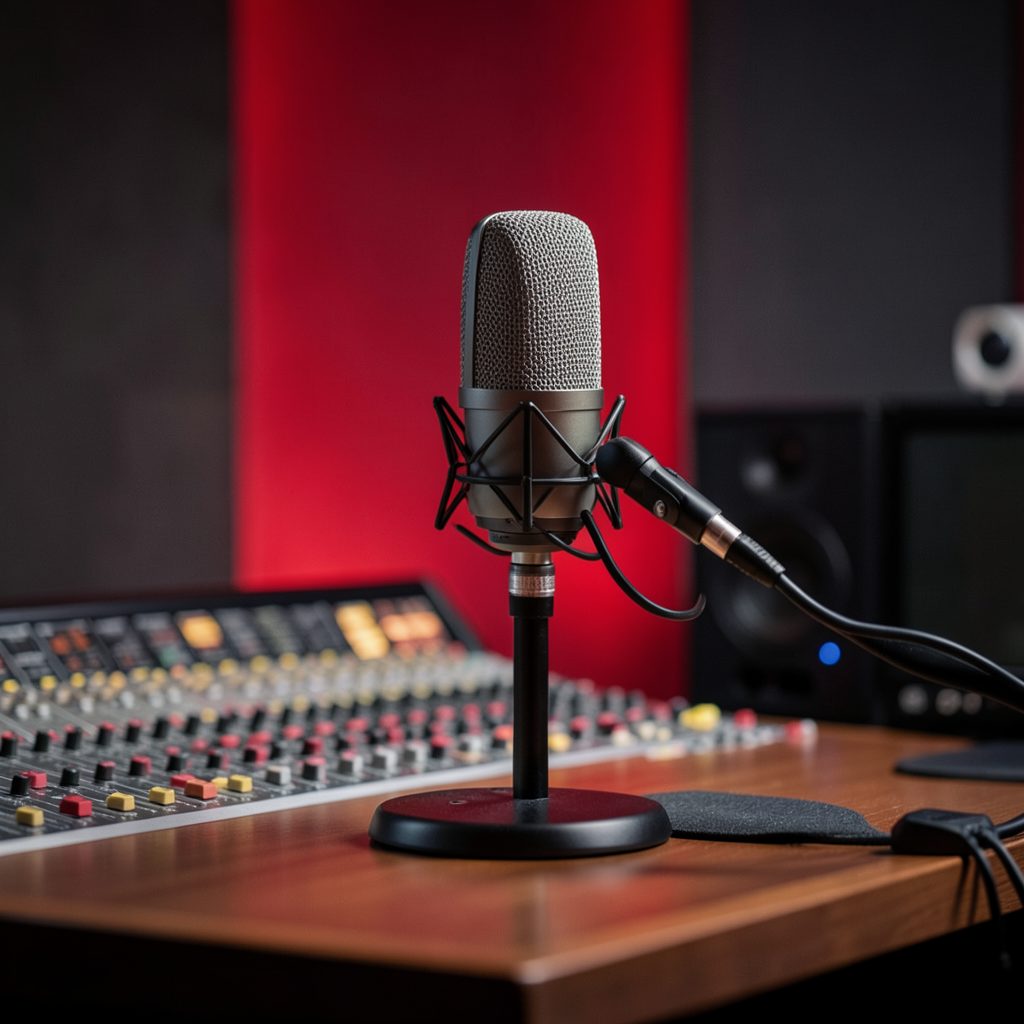
On Air & In Print
Andrea anchors the ITV lunchtime talk show Loose Women, which she joined in 2007, following 11 years as a core presenter on ITV's breakfast programme GMTV, a role she left on New Year's Eve 2008.
Alongside broadcasting, she has written for Red, Best, Scottish Woman and numerous weekly women's titles since starting as a freelance travel writer in 1993.
See Press & MediaReach & Recognition
A snapshot of the audience and impact behind Andrea's television, publishing and brand work.
This Girl Is On Fire
Andrea is CEO and Co-founder of the female empowerment platform This Girl Is On Fire, built around a mission to help women live, learn and thrive in a life they love.
Explore the PlatformScreen & Studio
Promotional and broadcast work created for television and corporate partners, including Barclaycard, Vistaprint and Wii Fit U.
Explore the Site
Find out more about Andrea's career, writing, media coverage and audience reach.
Get In Touch
For media, corporate or general enquiries, use the form below or reach out directly.
Contact details published on this site have appeared as +44 (0)20 7371 5444 / angharad.marsh@officialandreamclean.com and, on an earlier page, 020 7482 3282 / admin@officialandreamclean.com — please treat both as points of contact.