Why My Health Became A Non-Negotiable Priority
For many years, I treated my health as something I would attend to when everything else was under control. Work came first, family responsibilities needed attention, deadlines were waiting, and there was always another person who appeared to need my time. I believed I was being capable and dependable. In reality, I was often placing my own wellbeing at the very bottom of the list.
That approach can look successful from the outside. You can continue presenting, writing, travelling, hosting events and supporting other people while quietly running on empty. You can become very skilled at appearing fine. Yet the body keeps a record of the pressure we dismiss, the rest we postpone and the emotions we never give ourselves space to process.
My relationship with health changed when I understood that wellbeing is not a reward for finishing everything. It is the foundation that allows me to live, work and lead with greater clarity. Making my health a priority has involved practical decisions, emotional honesty and a willingness to stop treating exhaustion as evidence of commitment.
Listening Before Crisis
I used to wait for unmistakable signs that something was wrong. A serious symptom, a complete loss of energy or a moment when I could no longer push through seemed to justify taking action. Smaller signals were easier to ignore: poor sleep, irritability, tension, low mood, digestive problems or the feeling that ordinary tasks had become disproportionately difficult.
The trouble with waiting for a crisis is that the crisis rarely arrives alone. By the time the message becomes impossible to dismiss, the underlying strain may have been building for months or years. Health awareness means noticing patterns earlier and taking them seriously before they become emergencies.
That has required me to become more attentive to my own body and mind. I now see fatigue, anxiety and overwhelm as information rather than personal failures. They tell me that something needs care, adjustment or professional support. Paying attention is not self-indulgence; it is a form of responsibility.
The Cost Of Running On Empty
There was a time when I associated resilience with carrying everything without complaint. I admired people who seemed able to keep going regardless of what was happening in their lives, and I tried to become one of them. Eventually, I realised that endurance without recovery is not sustainable resilience. It is depletion wearing a respectable outfit.
When we are constantly overstretched, our choices become narrower. We may reach for convenience instead of nourishment, withdraw from people who care about us, lose patience with our families or struggle to think creatively at work. Even enjoyable opportunities can begin to feel like additional obligations when there is no space left inside us.
This matters particularly for women, who are often expected to provide emotional support, organise family life, develop careers and remain endlessly available. Many of us have learned to measure our worth by how much we can manage for everyone else. I had to challenge that belief and recognise that being present for others depends on being connected to myself.
Health Is More Than A Medical Appointment
Medical care is an essential part of looking after ourselves, and I believe in seeking qualified advice when something feels wrong. At the same time, personal wellbeing is broader than appointments, test results or the absence of illness. It includes mental health, emotional balance, movement, sleep, nourishment, relationships and the way we speak to ourselves.
For me, health also means creating enough quiet to hear my own thoughts. A calendar filled from morning until night can leave no room for reflection. Rest is not simply the time between productive periods; it is when the nervous system can settle and the mind can regain perspective. Without it, even good decisions become harder to make.
I have also learned that emotional health deserves the same seriousness as physical health. Therapy, honest conversations and supportive friendships have helped me understand what I was carrying. Naming grief, fear or anger does not make those feelings larger. It gives them a place to be processed rather than allowing them to control my behaviour from the background.
The Choices That Protect My Energy
Health priorities become real through repeated choices. They are rarely dramatic. They might involve declining a commitment, going to bed earlier, eating in a way that supports steady energy or taking a walk before reaching for another task. Small decisions accumulate into a different relationship with time and with the body.
My routine continues to evolve, but these distinctions help me recognise what genuinely supports my wellbeing:
| Area of wellbeing | What I pay attention to | The boundary or habit I practise |
|---|---|---|
| Sleep and recovery | Whether I am using exhaustion as a normal state | Protecting a regular wind-down period |
| Movement | How my body feels after long periods of sitting or travelling | Choosing enjoyable, consistent activity |
| Nutrition | Whether meals help me feel steady and focused | Planning nourishing food rather than relying on urgency |
| Mental health | Repeated worry, low mood or emotional numbness | Speaking honestly and seeking appropriate support |
| Relationships | Which connections leave room for mutual care | Spending time with people who respect my boundaries |
| Workload | Whether every request is being treated as essential | Reviewing commitments before automatically agreeing |
These habits are not about perfection. There are busy weeks, disrupted routines and occasions when work must take precedence for a time. The difference is that I no longer allow an exceptional period to become my permanent way of living. I return to the basics before neglect becomes a pattern.
Boundaries Are Part Of Wellbeing
The word “no” has become one of the most valuable tools in my health toolkit. Saying no can feel uncomfortable, especially when your identity has been built around being helpful, available and reliable. It may bring guilt, but guilt is not proof that a boundary is wrong. Sometimes it is simply evidence that the boundary is new.
A boundary protects more than free time. It protects attention, emotional capacity and the quality of the commitments I choose to keep. If I agree to everything, I cannot give my best to the work, people and causes that matter most. A crowded diary can create the illusion of importance while quietly removing any chance to be fully present.
I now try to ask whether a request belongs with my values, my current capacity and the life I am trying to build. That pause creates space between someone else’s expectation and my response. It reminds me that availability is something I can offer, not an obligation I must prove.
This has been especially important during periods of transition. Personal growth often requires leaving behind roles that once felt safe, including the role of the woman who can cope with anything. I have written about speaking with confidence because self-doubt can make us over-prepare, over-deliver and ignore our own needs in the hope of earning belonging.
Building A Healthier Kind Of Resilience
Resilience is often presented as the ability to bounce back quickly. My understanding has changed. Sometimes resilience means slowing down long enough to recover properly. Sometimes it means asking for help, changing direction or admitting that a particular arrangement is harming you. Recovery is not a detour from strength; it is one of its expressions.
A healthier form of resilience leaves room for tenderness. It allows us to recognise that a difficult season has an impact and that healing may not follow a convenient timetable. I do not have to turn every painful experience into an inspirational lesson immediately. I can acknowledge what happened, receive support and take the next useful step.
Community has played a significant role in that process. We need people with whom we can be honest, laugh freely and stop performing competence. Women, especially those navigating midlife and major personal change, benefit from spaces where their experiences are taken seriously. The value of a supportive community is that it replaces isolation with perspective and shared encouragement.
Through This Girl Is On Fire, I have seen how powerful it can be when women are reminded that they are allowed to want more, change their minds and prioritise their wellbeing. Empowerment is not about becoming invulnerable. It is about having the confidence and support to make choices that honour your whole life.
Bringing Health Into Work And Leadership
My health priorities have changed the way I approach professional life. As a broadcaster, author, public speaker and event host, I still care deeply about preparation and high standards. I want to deliver work that is thoughtful, energetic and useful. I also understand that quality cannot be maintained by ignoring the person doing the work.
Before an event, I think about the conditions that will allow me to perform well: adequate rest, preparation with purpose, time to arrive calmly and a clear understanding of the audience. Afterward, I make room to come down from the intensity rather than moving immediately into another demand. This is particularly important when speaking about resilience, leadership, women’s wellbeing and personal growth, because meaningful work requires emotional presence.
Leaders set a tone through what they model. If I praise overwork while neglecting my own limits, I contribute to a culture where exhaustion is admired. If I demonstrate preparation, recovery, honest communication and sustainable ambition, I offer a different example. A healthy workplace does not remove responsibility; it makes responsibility possible over the long term.
Practices I Return To
There is no single routine that guarantees perfect wellbeing. My needs change with age, workload, relationships and circumstances. What helps is having a small group of reliable practices that bring me back to myself when life becomes noisy.
- I protect sleep and treat recovery as part of my schedule, not an optional extra.
- I move my body in ways that feel supportive rather than punitive.
- I make time for honest conversations before stress turns into isolation.
- I review my commitments and release the ones that no longer fit.
- I seek professional help when I need more support than friends or family can provide.
These choices may appear ordinary, yet they have changed the quality of my days. Health is built through what we repeat, especially when nobody is applauding. It is built when we listen to an early warning, take a proper break, attend an appointment, eat a nourishing meal or choose not to answer a message immediately.
Making my health a non-negotiable priority has not made my life smaller. It has made it more intentional. I have more energy for the people I love, greater focus in my work and a clearer understanding of what deserves my attention. I am still ambitious, still curious and still committed to meaningful projects, but I no longer believe I must sacrifice my wellbeing to prove that commitment.
If my experience offers one lasting message, it is this: your health belongs in the centre of your life, not in the queue behind everything else. Start with one honest decision, protect it with a boundary and allow that decision to become part of the way you live, lead and support others. Through my speaking, writing and This Girl Is On Fire community, I will continue creating conversations that help women choose sustainable strength and a life that feels fully their own.
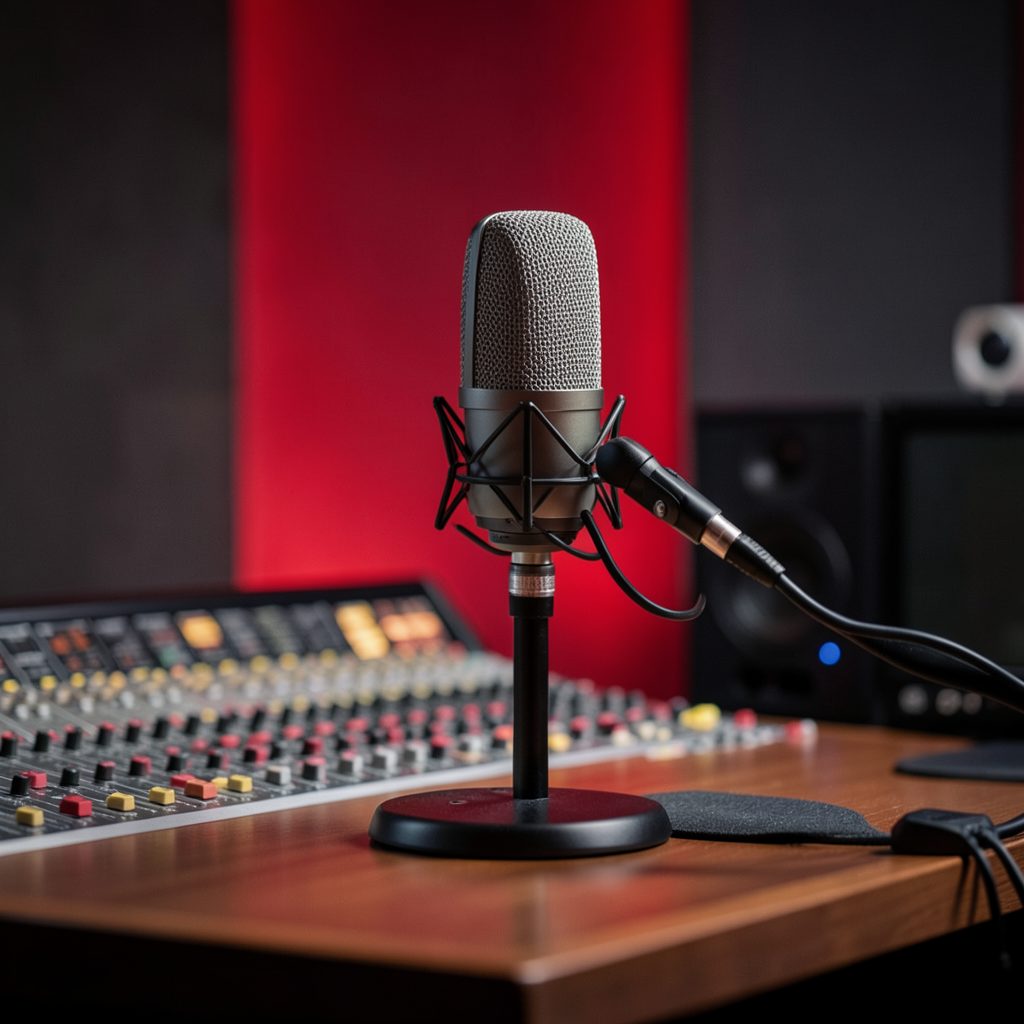
On Air & In Print
Andrea anchors the ITV lunchtime talk show Loose Women, which she joined in 2007, following 11 years as a core presenter on ITV's breakfast programme GMTV, a role she left on New Year's Eve 2008.
Alongside broadcasting, she has written for Red, Best, Scottish Woman and numerous weekly women's titles since starting as a freelance travel writer in 1993.
See Press & MediaReach & Recognition
A snapshot of the audience and impact behind Andrea's television, publishing and brand work.
This Girl Is On Fire
Andrea is CEO and Co-founder of the female empowerment platform This Girl Is On Fire, built around a mission to help women live, learn and thrive in a life they love.
Explore the PlatformScreen & Studio
Promotional and broadcast work created for television and corporate partners, including Barclaycard, Vistaprint and Wii Fit U.


Explore the Site
Find out more about Andrea's career, writing, media coverage and audience reach.
Get In Touch
For media, corporate or general enquiries, use the form below or reach out directly.
Contact details published on this site have appeared as +44 (0)20 7371 5444 / angharad.marsh@officialandreamclean.com and, on an earlier page, 020 7482 3282 / admin@officialandreamclean.com — please treat both as points of contact.