The Images That Bring Me Back To My Purpose
There are days when purpose feels clear and close. I know why I am doing the work, who I want to support and what I hope people carry with them after a conversation, a book, a broadcast or a keynote. Then there are days when the diary is crowded, the news is relentless and my energy is stretched thin. On those days, I turn to a small digital folder on my phone.
It contains photographs that would look unremarkable to anyone else. A woman laughing after sharing something difficult. A room full of people standing together. A handwritten note. A family moment. A sunrise seen from a hotel window after an early start. These images bring me back to the human meaning behind the work.
I began collecting them because memory is easily blurred by pressure. The difficult email can feel more important than the kind message that arrived the same afternoon. A disappointing meeting can overshadow an event where someone found the courage to speak honestly. Keeping visual reminders gives those quieter, more meaningful moments somewhere to live.
That is why I keep a digital folder of photos that remind me of my purpose. It is not a productivity system or a polished brand archive. It is a personal collection of evidence: proof that small acts of courage, connection and self-respect matter, even when progress is difficult to measure.
| Kind of reminder | What it gives me | When I return to it |
|---|---|---|
| A photograph of people together | A sense of connection | Before speaking or hosting an event |
| A personal note or message | Perspective and gratitude | After criticism or a difficult day |
| A quiet image from everyday life | Space to breathe | When my mind feels crowded |
| A milestone or celebration | Evidence of progress | When I feel I am starting again |
| An image connected to women’s wellbeing | A reason to continue | When the work feels demanding |
The Folder Started With Ordinary Moments
The first images were never selected as motivational material. They were simply photographs I could not bring myself to delete. One showed a group of women at an event, still talking long after the formal programme had finished. Another captured a friend’s expression after she had made a decision that changed her life. There were pictures from book events, studios, green rooms and quiet corners where important conversations happened away from the microphone.
Over time, I noticed that these photographs had a common thread. They represented moments when somebody had moved from silence to honesty, from self-doubt to action or from isolation towards support. The setting did not matter much. A theatre in London, a community room in regional England or a corporate venue in Sydney could hold the same emotional shift. The purpose was in the connection, not the backdrop.
Working in television taught me to value the moment when a person stops performing and starts speaking truthfully. Public life can be full of polished statements, quick answers and carefully managed impressions. The photographs in my folder remind me of what exists beneath all that: a real person trying to make sense of their life and find a way forward.
Why Images Work When Words Fail
Words are powerful, but they can become slippery when I am tired. I may tell myself that I should be grateful, that the work has meaning or that one difficult response does not define an entire day. Those thoughts can be true and still fail to reach me. A photograph works differently. It gives my mind something concrete to hold.
A visual cue can bring back an entire atmosphere: the warmth in a room, the relief on someone’s face, the sound of people applauding for a reason that had nothing to do with celebrity. This is why I believe a purpose reminder should be personal rather than impressive. It does not need to look suitable for social media. It needs to make sense to the person who saved it.
The same principle applies to mental wellbeing routines. Small, repeatable actions are often more useful than dramatic promises made in a burst of enthusiasm. I have written about supportive daily routines because the ordinary structure of a day can protect our energy. Looking at one meaningful image is part of that structure for me. It is a pause, a reset and a way to remember what deserves my attention.
A Private Archive With Public Meaning
Although the folder is private, it reflects the themes I speak about publicly: resilience, leadership, personal growth and women’s wellbeing. I have seen how many women carry responsibility quietly. They keep households moving, manage teams, support ageing parents, build businesses and show up for everyone else, often while questioning whether their own needs are legitimate.
A photograph of a woman taking a brave step can remind me why those conversations matter. It may be a picture from a leadership event in Melbourne, a wellbeing discussion in Brisbane or a gathering in Sydney where someone stayed behind to ask a question she had been carrying for years. These moments are easy to miss if success is measured only through attendance figures, media coverage or commercial results.
The Australian audience understands the value of a genuine conversation. There is often a directness in the way people speak here, whether they are sharing a cuppa after a workshop or having an honest chat during an arvo break. That warmth can make space for difficult subjects without turning them into performances. When I work with Australian organisations, I want people to leave with something practical and human, rather than a collection of impressive phrases.
How I Choose What Stays
I do not save every photograph. If I did, the folder would become another crowded digital drawer, full of screenshots and half-remembered moments. I ask myself whether the image brings me back to a value I want to live by. Does it remind me to be brave, kind, curious, honest or patient? Does it show a moment of genuine connection rather than a moment that simply looked good?
Some images are deliberately quiet. A path through bushland. Morning light across a kitchen bench. A pair of shoes by a stage door. These photographs remind me that purpose is not always found in a large public achievement. It can be found in rest, attention and the choice to continue caring when nobody is applauding.
I also remove images when they stop serving me. A photograph connected to an old version of my life may once have represented ambition, yet now leave me feeling pressured or unsettled. Keeping a purpose folder does not mean preserving every former expectation. It means allowing my definition of meaningful work to change as I do.
Using Memory Without Living In The Past
There is a difference between drawing strength from memory and trying to recreate an earlier moment. I do not look at a photograph to convince myself that everything was better then. I look at it to remember a quality that was present: courage, tenderness, determination or belonging. The picture becomes a doorway to that quality, not a demand to repeat the past.
This distinction matters in professional life. A broadcaster, author or speaker can become attached to former milestones and quietly believe the next achievement must be bigger. Yet a full calendar, a larger audience or a major contract cannot be the only signs that life is moving in the right direction. Sometimes the meaningful progress is setting a boundary, recovering properly or choosing work that aligns with personal values.
Healthy limits protect the space in which purpose can survive. I have explored healthy workplace boundaries because saying yes to everything can eventually make our yes meaningless. In Australia, where work can blend into long commutes, school pick-ups, late messages and EOFY pressure, a clear boundary is often an act of leadership rather than a lack of commitment.
Purpose As A Practice
Purpose is often described as if it arrives in one brilliant moment. My experience is less dramatic. It is built through repeated choices: telling the truth when a polished answer would be easier, making room for recovery, speaking up about women’s health and recognising the dignity in somebody else’s story. The photographs help me see those choices as part of a longer pattern.
They also protect me from the illusion that impact must always be visible. A person may never post about a talk that helped them. Someone may read a book years after it was published and only then feel ready to make a change. A message might arrive on an ordinary Tuesday, saying that a conversation gave somebody permission to ask for help. Those moments rarely come with neat measurements, yet they can matter enormously.
When I am preparing to host an event, I sometimes open the folder before I walk on stage. I might be in a hotel near the coast, a venue in Melbourne or a corporate room where the audience is still checking emails. The images remind me to stop chasing a perfect performance and focus on being present. The work is about people, and people respond to sincerity.
The folder will keep changing. New photographs will replace old ones, and some reminders will become less relevant as my life develops. That feels right. Purpose is not a fixed slogan stored in a phone; it is a living relationship with what we value and how we spend our limited time. For me, those images make that relationship visible, especially on the days when I need to find my way back.
On Air & In Print
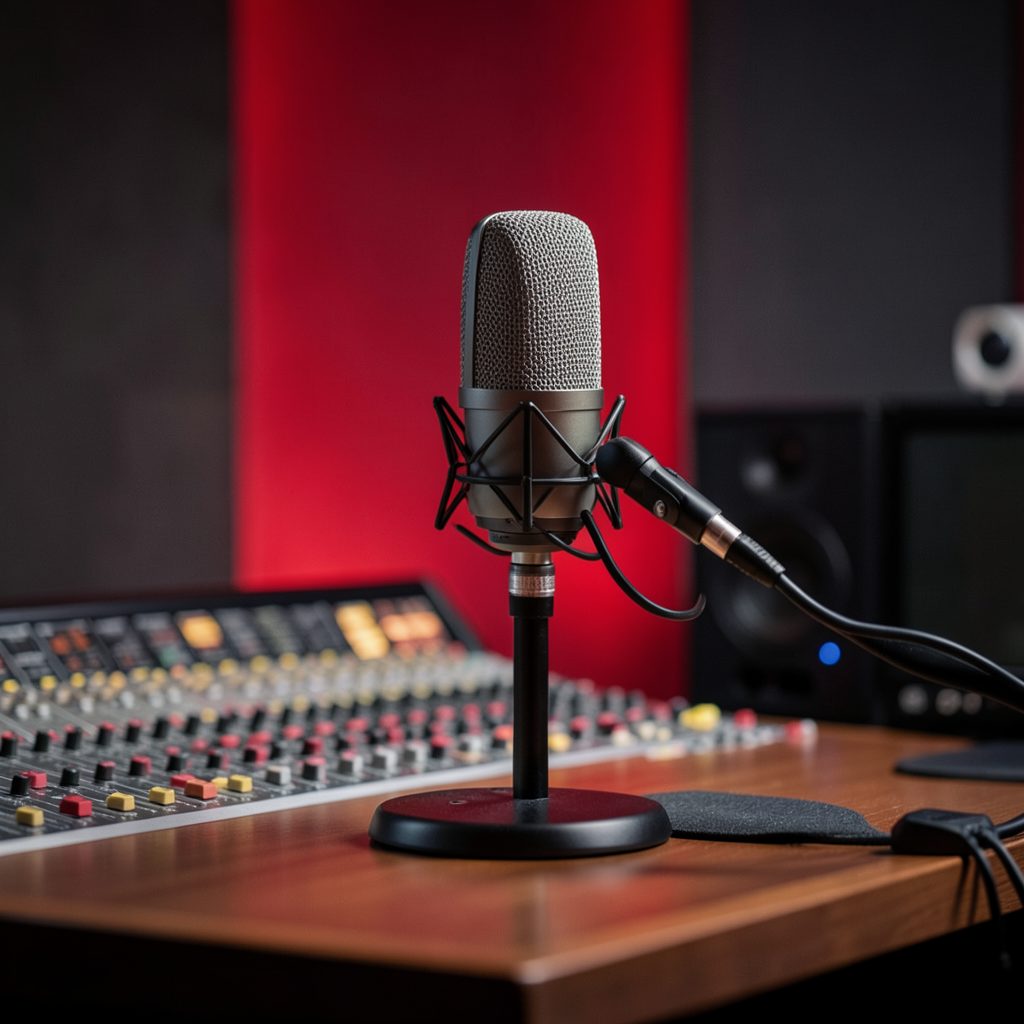
Andrea anchors the ITV lunchtime talk show Loose Women, which she joined in 2007, following 11 years as a core presenter on ITV's breakfast programme GMTV, a role she left on New Year's Eve 2008.
Alongside broadcasting, she has written for Red, Best, Scottish Woman and numerous weekly women's titles since starting as a freelance travel writer in 1993.
See Press & MediaReach & Recognition
A snapshot of the audience and impact behind Andrea's television, publishing and brand work.
This Girl Is On Fire
Andrea is CEO and Co-founder of the female empowerment platform This Girl Is On Fire, built around a mission to help women live, learn and thrive in a life they love.
Explore the PlatformScreen & Studio
Promotional and broadcast work created for television and corporate partners, including Barclaycard, Vistaprint and Wii Fit U.

Explore the Site
Find out more about Andrea's career, writing, media coverage and audience reach.
Get In Touch
For media, corporate or general enquiries, use the form below or reach out directly.
Contact details published on this site have appeared as +44 (0)20 7371 5444 / angharad.marsh@officialandreamclean.com and, on an earlier page, 020 7482 3282 / admin@officialandreamclean.com — please treat both as points of contact.