Why Natural Light Matters Before I Speak
Why I always request a dressing room with natural light before a talk is easier to explain than it may sound. It is not a demand for a glamorous backstage space or a preference for a particular kind of mirror. It is part of the preparation that helps me arrive on stage feeling grounded, alert and properly connected to myself. Learn more about Whatsurskill.com.
A dressing room is often treated as a purely practical area: somewhere to change clothes, check a microphone and wait for the doors to open. For me, it is also a short pause between the rush of travel and the responsibility of speaking to a room full of people. Natural light makes that pause calmer, more honest and far more useful.
The Difference Daylight Makes
Artificial lighting can flatten colour, cast strong shadows and make a familiar face look unexpectedly tired. That matters when I am choosing an outfit, checking whether make-up needs adjusting or deciding how I want to present myself under bright conference lights. Daylight gives me a truer picture before I step into an environment that may be visually demanding.
The effect is physical as well as visual. A window tells my body that it is still part of the outside world. After a flight, a long car journey or several hours in a hotel ballroom, that gentle reminder can help reset my energy. In Sydney, Melbourne or Brisbane, the quality of daylight may be completely different from the conditions at home, yet it still helps me understand the time of day and how I am feeling within it.
This is especially useful when an event schedule is crowded. Corporate conferences can begin early, run through lunch and finish with an evening reception. A few minutes beside a window can help me notice whether I need water, food, a warmer layer or a quiet breath before I walk on stage.
A Private Check Before A Public Moment
Speaking is public, but preparation is private. I need a small space where I can check my clothing, posture and facial expression without turning the process into a performance. A natural-light dressing room gives me the chance to see whether what I have chosen still feels like me after a morning of travel.
That last check is about confidence rather than vanity. If a jacket is pulling, a hem is sitting awkwardly or a colour is draining my face, I would rather discover it backstage than spend the first ten minutes of a talk thinking about it. When I feel physically comfortable, I have more attention available for the audience and the message I have come to share.
There is also a practical connection between appearance and communication. An audience may not consciously register every detail, but they notice whether a speaker looks at ease. Clothes that fit properly, hair that is comfortable and make-up that works with the venue lighting all support a more relaxed delivery. The aim is never perfection. It is removing avoidable distractions.
I have seen how quickly an event can become focused on images. A photographer may be working near the lectern, guests may be filming on their phones and organisers may need social media content before the first session has finished. Looking for visual styling ideas can be useful, but the most important image is still the person who feels present rather than over-produced.
Daylight Helps Me Regulate
Before a talk, I am often balancing excitement with nerves. Even with years of broadcasting and public speaking behind me, the body still recognises that something important is about to happen. My heart rate can rise, my thoughts can speed up and my instinct can be to keep moving instead of pausing.
Natural light supports a simple grounding routine. I stand near the window, put both feet on the floor and take a few slower breaths. I might look at the sky, a tree or the movement of people outside. This sounds ordinary, yet ordinary actions are valuable when the mind has begun racing ahead to the stage, the opening line or the questions that may follow.
The Australian setting adds its own considerations. Bright summer sun can make a room feel energising but also expose every corner of a face, while a grey winter afternoon in Melbourne can create a softer, quieter atmosphere. In Adelaide or Perth, a venue may have strong western light late in the day. I do not need a perfect view; I need enough daylight to orient myself and make sensible adjustments.
This small routine also protects my voice. When I am tense, I can speak too quickly and breathe too shallowly. Taking a moment away from harsh overhead lighting and constant backstage activity helps me slow down. The result is a clearer opening, a steadier pace and a better chance of giving the audience the thoughtful conversation they came to hear.
The Room Shapes The Message
A talk begins before the microphone is switched on. The venue, the people greeting me, the waiting area and the pace of the schedule all influence how I enter the room. A dressing room with a window gives me a transition point between logistical activity and emotional readiness.
That transition is important when the subject is personal. Speaking about resilience, women’s wellbeing or difficult periods in life requires openness, but openness does not mean arriving depleted. I need enough privacy to gather myself and decide what the audience needs from me in that particular moment. Sometimes that means reviewing notes; sometimes it means putting the notes away.
Event organisers may have excellent reasons for placing speakers in internal rooms. A hotel may be full, a convention centre may have limited backstage facilities, or a private holding room may be closest to the stage. I understand those pressures. My request is simply a way of explaining what helps me deliver well, rather than an expectation that every venue should provide a luxury suite.
The same principle applies to rejection and uncertainty. A booking may change, an event may be postponed or an organiser may choose another speaker. I have written about handling event rejection, because professional resilience is built through many small acts of self-respect. Preparing properly for the opportunities that do arrive is one of those acts.
Preparation Is A Form Of Leadership
People often associate leadership with bold decisions, confident speeches and visible authority. I have learned that leadership also involves recognising the conditions that allow you to perform at your best. Asking for natural light is a modest example of setting a boundary around preparation without making the event about me.
That distinction matters in the corporate speaking market. Australian organisations invest in conferences, leadership days and wellbeing programmes because they want speakers who can connect with employees in a genuine way. A polished presentation is useful, but audiences also respond to someone who appears human, attentive and emotionally available.
The request has become more meaningful as I have spoken about women’s health and empowerment. Many women are taught to apologise for having needs, especially in professional settings. We may accept discomfort, exhaustion or unsuitable conditions because we fear being labelled difficult. There is a difference between being unreasonable and being clear about what supports good work.
My mother taught me that resilience is not the same as enduring everything silently. Her example has shaped the way I think about strength, and I return to my mother taught me when I need to remember that care and determination can exist together. A window, a glass of water and ten quiet minutes will not solve every problem, but they can help me meet a demanding moment with greater steadiness.
What I Look For Backstage
When I arrive at a venue, I am not expecting a single perfect setup. I look for a few practical features that make the final preparation easier. A window is the first preference, but good ventilation, a comfortable chair, a full-length mirror and a place to hang clothes also make a considerable difference.
The following guide describes what I value and why it matters before a speech:
| Backstage feature | Why it helps | Useful alternative |
|---|---|---|
| Natural window light | Shows true colours and supports calm | A room with balanced, warm lighting |
| Full-length mirror | Allows a complete outfit and posture check | A well-positioned wall mirror |
| Quiet space | Helps with breathing and concentration | Headphones and a short private pause |
| Fresh air or ventilation | Reduces fatigue before speaking | A brief walk outside the venue |
| Water and comfortable seating | Supports voice and physical ease | A personal bottle and a nearby chair |
I also pay attention to the route from the dressing room to the stage. If I can move there without being rushed through a service corridor or interrupted by last-minute instructions, I arrive in a better state. In large convention centres in Sydney or Melbourne, that route can be surprisingly long, so knowing the timing is part of the preparation.
Technology has changed backstage life too. A speaker may be asked to record a promotional clip, join a livestream or upload a short video for an event’s digital channels. I am happy to participate when the timing works, yet I protect a few minutes before going on stage. Those minutes are when I move from reacting to other people’s requests to delivering my own message.
Small Requests That Improve A Speaking Day
- Ask for a dressing room with daylight or the softest available lighting.
- Request enough time to change, breathe and review the running order without interruption.
- Keep water, throat lozenges and any essential personal items within reach.
- Check the stage lighting, microphone position and route to the lectern before the audience enters.
- Choose clothing that feels comfortable while sitting, standing and moving across a stage.
- Build a short reset into the schedule after travel, especially when crossing Australian time zones.
- Treat practical needs as part of professional preparation rather than an apology-worthy inconvenience.
A well-prepared speaker is not necessarily the person with the most elaborate routine. It is often the person who has removed a few avoidable sources of stress. I may still feel nervous, and the event may still contain surprises, but I know I have given myself the best conditions available.
That is why natural light matters to me. It offers accuracy when I check my appearance, calm when I regulate my nerves and a quiet reminder that I am a whole person before I become the voice at the front of the room. When the stage lights come up, I want to be focused on the audience, the story and the reason I said yes to the talk in the first place.
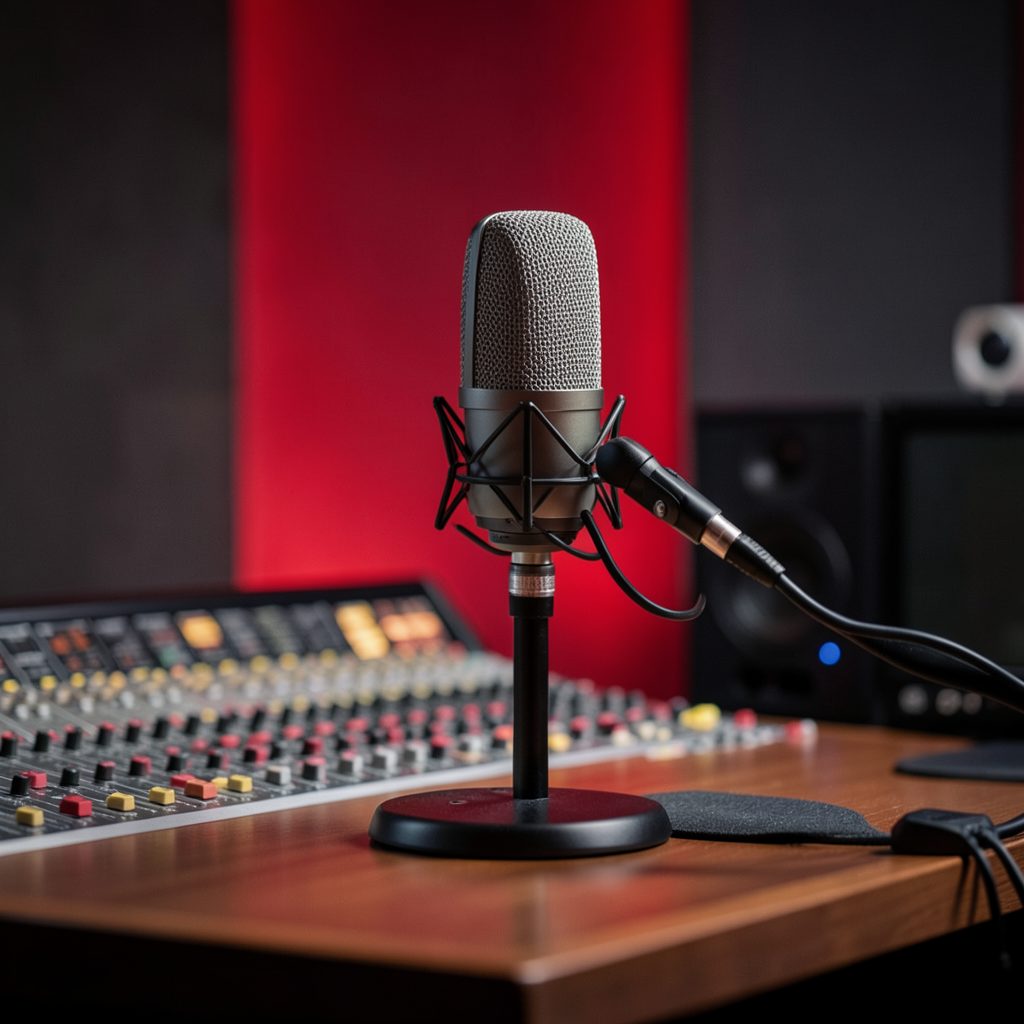
On Air & In Print
Andrea anchors the ITV lunchtime talk show Loose Women, which she joined in 2007, following 11 years as a core presenter on ITV's breakfast programme GMTV, a role she left on New Year's Eve 2008.
Alongside broadcasting, she has written for Red, Best, Scottish Woman and numerous weekly women's titles since starting as a freelance travel writer in 1993.
See Press & MediaReach & Recognition
A snapshot of the audience and impact behind Andrea's television, publishing and brand work.
This Girl Is On Fire
Andrea is CEO and Co-founder of the female empowerment platform This Girl Is On Fire, built around a mission to help women live, learn and thrive in a life they love.
Explore the PlatformScreen & Studio
Promotional and broadcast work created for television and corporate partners, including Barclaycard, Vistaprint and Wii Fit U.
Explore the Site
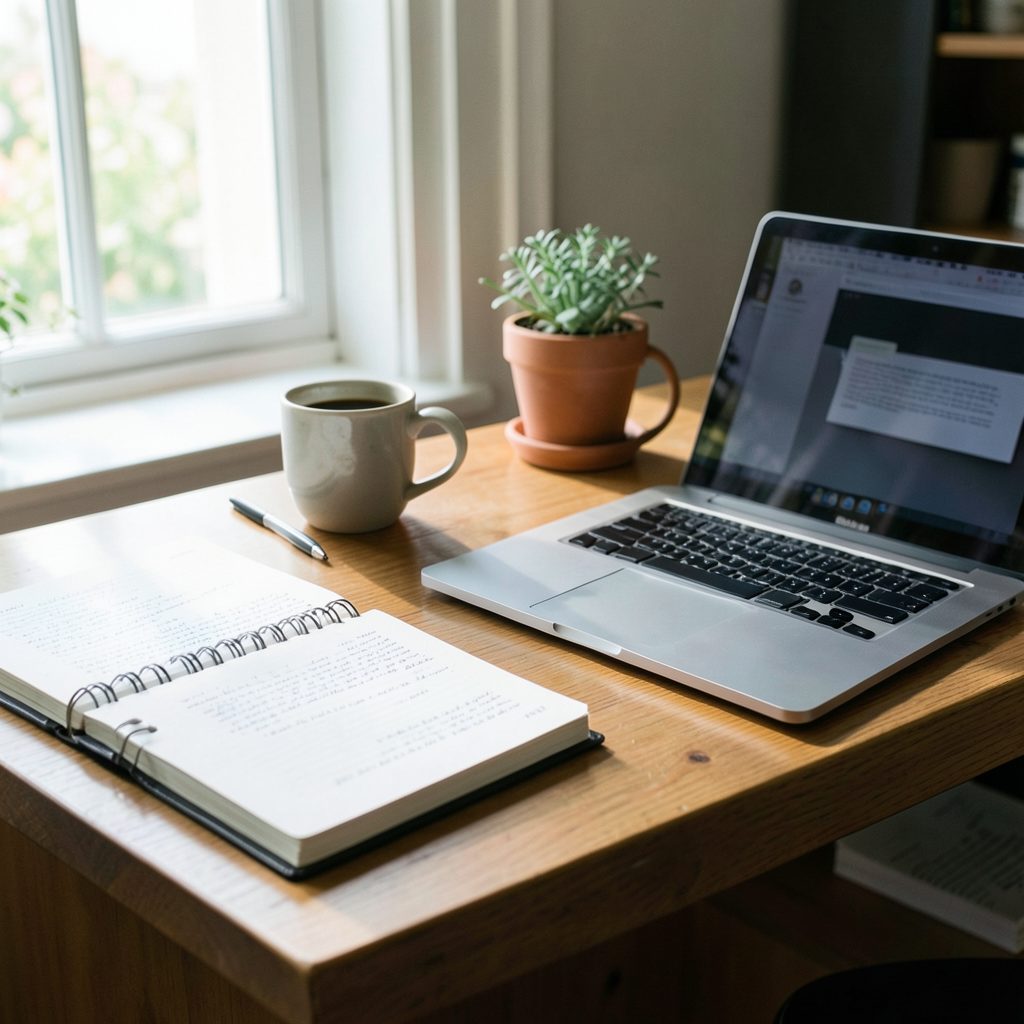
Find out more about Andrea's career, writing, media coverage and audience reach.
Get In Touch
For media, corporate or general enquiries, use the form below or reach out directly.
Contact details published on this site have appeared as +44 (0)20 7371 5444 / angharad.marsh@officialandreamclean.com and, on an earlier page, 020 7482 3282 / admin@officialandreamclean.com — please treat both as points of contact.