What menopause taught me about staying resilient at work
For years, I thought resilience at work meant keeping going regardless of what was happening in my body. In broadcasting, where deadlines are immovable and the camera notices every detail, I became skilled at smiling through exhaustion, brain fog and sudden waves of heat. I assumed that a strong professional was someone who could absorb discomfort without allowing it to affect the job.
Menopause changed that definition. It taught me that sustainable performance is not built on concealment or sheer willpower. It comes from understanding what is happening, making sensible adjustments, asking for support and creating workplaces where people can remain capable without pretending to be invulnerable. That lesson matters to women across Australia, whether they are working in a Sydney studio, commuting across Melbourne, running a small business in Brisbane or managing a team from a home office.
| Old assumption | More resilient way of thinking |
|---|---|
| I must push through every symptom | I can respond to symptoms intelligently |
| Asking for help signals weakness | Clear communication protects performance |
| Productivity means being constantly available | Recovery and focus improve the quality of work |
| Menopause is a private problem | Wellbeing is a legitimate workplace issue |
| Resilience means coping alone | Resilience grows through supportive relationships |
When symptoms changed the way I worked
Menopause rarely arrives as one neat, recognisable event. It can be a gradual shift involving disrupted sleep, anxiety, low mood, headaches, night sweats, joint pain and difficulty concentrating. For me, the changes affected the confidence I had built over many years. I could prepare thoroughly and still lose my train of thought. I could walk into a studio perfectly composed and suddenly feel as though the room had become several degrees hotter.
The professional world often rewards consistency, so any interruption to that rhythm can feel alarming. A missed detail or moment of hesitation may be interpreted as carelessness, when the real issue is exhaustion after several nights of broken sleep. This is particularly difficult in industries built around public performance, where journalists, presenters, executives and event hosts are expected to appear energetic and assured.
I learned that the first step was to stop treating every symptom as a character flaw. Brain fog was not proof that I was becoming less intelligent. Fatigue was not a moral failure. Naming the experience gave me a practical starting point: I could identify patterns, speak with health professionals and work out which changes would help me function well.
The hidden cost of pretending everything was fine
Keeping quiet can look like professionalism, but it often carries a high personal cost. When someone is constantly trying to hide hot flushes, panic, poor sleep or emotional strain, part of their attention is diverted from the work itself. They are monitoring their body, choosing clothing carefully, avoiding certain rooms and worrying that colleagues have noticed.
In Australia, many people spend long periods travelling to work or moving between air-conditioned offices and intense outdoor heat. A morning commute in Sydney or Perth can be physically draining before the working day begins. Menopause symptoms can make those transitions harder, especially when a person feels unable to ask for a cooler room, a short pause or a change to the day’s schedule.
The culture of “just get on with it” can be especially powerful in ambitious workplaces. I understand that instinct because I have lived it. Yet endurance without reflection eventually narrows a person’s choices. I became more resilient when I stopped asking, “How can I conceal this?” and started asking, “What would allow me to do this work properly?”
Small adjustments can protect performance
Resilience is often described as a dramatic quality, something revealed during a crisis. My experience has been much more ordinary and much more useful. It has been built through small decisions: preparing notes in a format that is easy to scan, allowing extra time before a live appearance, drinking enough water, planning breaks and refusing to fill every gap in the calendar.
These adjustments do not reduce ambition. They make ambition sustainable. A person may still lead a meeting, deliver a keynote or meet a deadline, but the route to that result may need to be more thoughtful than it was earlier in life. The Australian workplace is gradually becoming more aware of flexible arrangements, hybrid work and wellbeing, although access varies widely between a large corporate employer and a small family-run business.
I have also seen how a small act of consideration can change someone’s entire day. A colleague who checks in privately, offers a glass of water or makes room for a pause may never know how valuable that gesture was. My belief in small kind acts comes from seeing how compassion can travel through a workplace, affecting confidence, trust and the willingness to support someone else.
Resilience needs support, not silence
Personal responsibility matters, but it cannot carry the whole burden. Employers have a role in creating conditions where people can discuss health without fearing that they will be labelled difficult, unreliable or past their best. A manager does not need to be a menopause expert. They need to listen respectfully, protect privacy and focus on practical solutions.
Australian law does not currently identify menopause as a standalone protected attribute in the same way some jurisdictions overseas do. However, discrimination related to age, sex, disability or pregnancy can fall within existing protections, including the Sex Discrimination Act 1984. The Fair Work Act also provides eligible employees with rights to request flexible working arrangements in particular circumstances. A workplace policy should translate those principles into everyday behaviour rather than leaving employees to interpret them alone.
Useful adjustments might include access to ventilation, temperature control, flexible start times, predictable breaks, a quieter workstation, modified travel requirements or the option to attend some meetings online. None of these measures should be assumed to suit everyone. The important point is to create a respectful conversation about what helps a person perform their role safely and effectively.
Leadership becomes more human
Menopause taught me that leadership is less about appearing untouched by difficulty and more about responding to difficulty with clarity. A leader who acknowledges their own limits can give others permission to be honest before a problem becomes a crisis. That honesty does not require sharing intimate medical details. It may simply mean saying, “I need a short break,” or, “I want to discuss a way of making this schedule workable.”
This has changed how I think about authority. In a traditional hierarchy, the person at the top may feel pressure to remain endlessly composed. In a healthier workplace, composure can include self-awareness. It can mean recognising when a team member is struggling, checking whether workload expectations are realistic and making sure wellbeing is not treated as an optional extra.
The benefits extend beyond women experiencing menopause. A culture that accommodates fluctuating health needs is usually better for parents, carers, people living with chronic illness and anyone navigating a demanding period. When organisations make flexibility normal rather than exceptional, they retain experience and reduce the quiet loss of talented people who might otherwise step away.
Making space for recovery and creativity
One of the most important lessons was that an empty space in the diary is not wasted time. When sleep is unreliable or concentration comes in waves, a schedule packed from morning to evening leaves no room to recover. I began to protect periods without meetings, travel or performance demands. Those pauses helped me think, reset and notice ideas that would have been lost in constant activity.
This matters for creative work because insight rarely arrives on command. Broadcasters, writers, entrepreneurs and leaders need time to process information before turning it into something useful. My practice of scheduling blank time has become a form of professional care. It gives my mind space to wander, and it prevents every working hour from being consumed by other people’s priorities.
Recovery also requires a realistic view of energy. A person may be highly capable and still have a finite amount of focus on a particular day. Planning the most demanding work for the time when concentration is strongest can make a significant difference. In a busy Australian office, where back-to-back video calls are common and lunch is often eaten at a desk, even a protected twenty-minute pause can restore perspective.
Turning experience into useful advocacy
Speaking publicly about menopause can feel exposing, especially when the subject has been dismissed as embarrassing, ageing or irrelevant to professional life. Yet silence allows outdated assumptions to survive. Once we discuss the health, emotional and career dimensions honestly, it becomes easier for women to seek medical advice, compare experiences and challenge workplace practices that exclude them.
My own experience has strengthened my commitment to women’s wellbeing and empowerment. Menopause is not a career ending. It is a life stage that may require new information, new boundaries and new forms of support. Many women are at the height of their expertise when symptoms begin, bringing valuable judgement, creativity and leadership to their organisations. Losing them because the workplace refuses to adapt is a failure of culture, not capability.
That is why conversations about resilience belong in leadership programmes, staff development and public forums. Through my work in corporate speaking, I address resilience, personal growth and wellbeing as connected professional issues. A strong organisation does not expect people to leave their humanity at the office door. It understands that trust, performance and retention are built when people feel seen.
The deepest lesson menopause gave me is that resilience is not a performance of being unaffected. It is the capacity to notice what is happening, respond with wisdom and continue with greater self-knowledge. At work, that can mean changing a schedule, requesting support, setting a boundary or offering kindness to someone who is struggling quietly. These choices do not make us less professional. They allow us to remain fully present, capable and engaged for the long term.
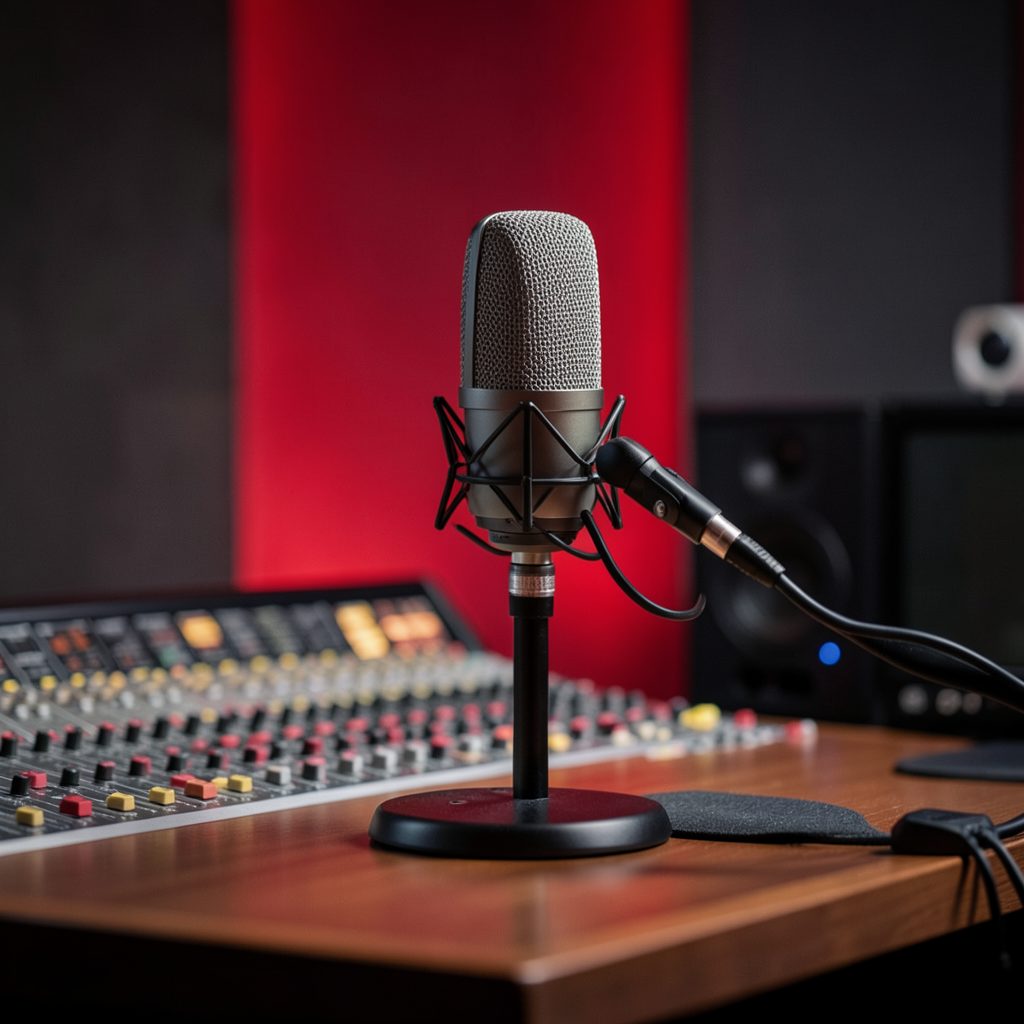
On Air & In Print
Andrea anchors the ITV lunchtime talk show Loose Women, which she joined in 2007, following 11 years as a core presenter on ITV's breakfast programme GMTV, a role she left on New Year's Eve 2008.
Alongside broadcasting, she has written for Red, Best, Scottish Woman and numerous weekly women's titles since starting as a freelance travel writer in 1993.
See Press & MediaReach & Recognition
A snapshot of the audience and impact behind Andrea's television, publishing and brand work.
This Girl Is On Fire
Andrea is CEO and Co-founder of the female empowerment platform This Girl Is On Fire, built around a mission to help women live, learn and thrive in a life they love.
Explore the PlatformScreen & Studio
Promotional and broadcast work created for television and corporate partners, including Barclaycard, Vistaprint and Wii Fit U.

Explore the Site
Find out more about Andrea's career, writing, media coverage and audience reach.
Get In Touch
For media, corporate or general enquiries, use the form below or reach out directly.
Contact details published on this site have appeared as +44 (0)20 7371 5444 / angharad.marsh@officialandreamclean.com and, on an earlier page, 020 7482 3282 / admin@officialandreamclean.com — please treat both as points of contact.