What a difficult chapter taught me about asking for editorial help
There are moments in a career when being capable is not enough. You can prepare every question, meet every deadline and still find that a piece of work needs a different kind of attention. For me, that came during the development of a book when the first major editorial response made me feel as though the problem was my thinking rather than the draft. I knew the subject mattered. That did not make the criticism easy to hear.
The turning point was not a clever rewrite or a burst of confidence. It was the decision to ask for editorial help and then listen without rushing to defend every choice. Broadcast news and live television had trained me to think on my feet, but editing asks for a different discipline: pause, identify the real obstacle and accept that another pair of eyes may see the route more clearly. Asking for assistance felt unusually exposing because I had built much of my identity around being useful, prepared and in control.
That experience changed the way I approach writing, leadership and the work of supporting women through This Girl Is On Fire. It also shaped my bestselling books and my work as a public speaker and event host. The central lesson is simple, though not always easy: producing good work is rarely a solitary achievement. Sometimes it depends on a conversation we would never have the courage to initiate if we believed we had to appear complete.
When expertise becomes isolation
Years in broadcasting gave me confidence in preparation, improvisation and clear communication. Those abilities are especially valuable when a conversation must happen live and nobody can send a revised deck afterwards. However, they can encourage a dangerous assumption: if I have worked hard enough and researched thoroughly enough, I should be able to solve every problem by myself. That assumption gave me control, but it also made collaboration feel like an admission of weakness.
The experience sits within a broader career that is outlined in my official biography, from television journalism and presenting to writing, speaking and hosting live events. Different environments demand different strengths, yet I often carried the same instinct into each one. I wanted to arrive with the answers already formed. When that was not possible, I could interpret uncertainty as a threat to my professional identity rather than a normal part of creative work.
There is a particular kind of exhaustion that comes from trying to be both the writer and the final reviewer. Without an outside perspective, every sentence can begin to look suspect. I would read too much into small reactions, second-guess a paragraph that had needed time to settle and make changes based on anxiety rather than evidence. The work became less precise because I had confused personal discomfort with an editorial diagnosis.
Learning to name the real problem
At first, I resisted asking for broad feedback because it felt too exposing. I wanted someone to point to the faulty sentences so I could repair them myself. The editor I eventually approached asked a more challenging question: what did I want the reader to understand, and what were they likely to misunderstand? That shifted the conversation from taste to purpose. It also gave me something concrete to respond to.
A later creative exchange with Azay Art magazine reinforced the value of distance. Creative ideas often need to be seen by someone outside the process before their shape becomes clear. That does not mean handing over every decision or allowing the work to lose its personality. It means creating enough space for another person to respond honestly without making the first draft too precious to examine.
The more useful approach was to separate preference from diagnosis. I did not need an editor to tell me that a passage was not mine. I needed help identifying whether the structure obscured the message, whether the tone felt inconsistent or whether I had assumed knowledge the reader did not have. Those were solvable problems. Once they were named accurately, the emotional charge of the feedback diminished.
Making editorial help practical
Before the next round of revisions, I learned to write a short editorial brief. It explained the purpose of the work, the intended audience, the central argument and the areas where I wanted protection. It also identified the parts that were open to substantial change. This prevented vague advice from taking over and gave the editor a clear way to help. A good brief does not dictate the writing; it explains what the writing needs to achieve.
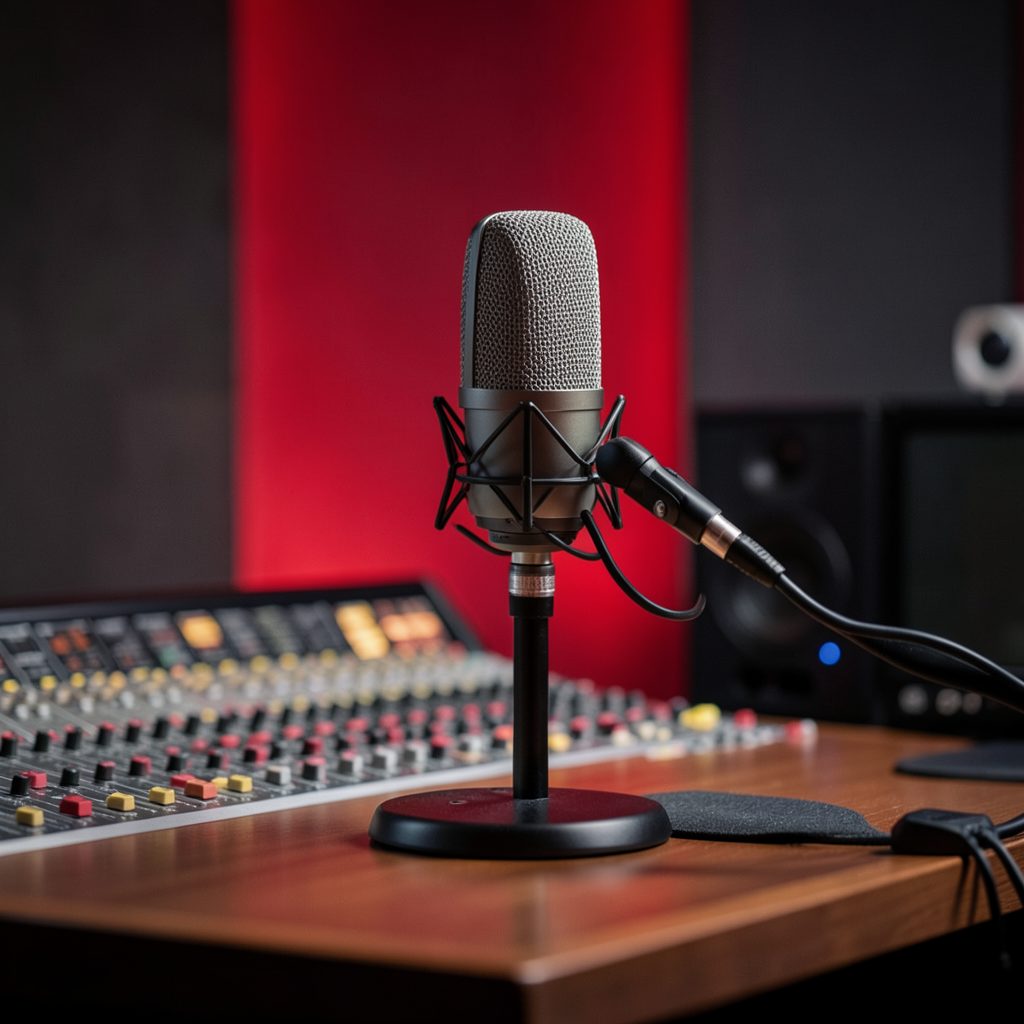
The setting in which I worked also affected the quality of my attention. One small ritual came from refreshing my workspace, changing the visual backdrop before I began a serious review session. A fresh screen cannot repair a weak argument, but it can mark a shift in attention. For me, that simple cue helped separate the person who had spent all morning drafting from the editor who needed to assess it with fresh eyes.
Once feedback arrived, I stopped trying to answer every point immediately. I read it in full, marked recurring concerns and distinguished essential structural changes from optional refinements. Then I revisited the original brief. If a suggested change weakened the central purpose, I could explain why. If it solved a genuine problem, I could let it improve the work. This process turned revision into collaboration rather than surrender, with judgment kept in my hands and trust given to the people helping me sharpen it.
Support is part of the craft
The most useful collaborators do not simply approve what they read. They notice what the work is trying to become. Their comments can include encouragement, but they should also challenge blind spots, expose unclear reasoning and test whether the intended effect is actually being achieved. That requires confidence from both sides: confidence to offer an honest response and confidence to receive one without treating it as a personal rejection.
The same principle applies beyond publishing. I have returned to the importance of female friendships in midlife, where supportive relationships create room for honest conversation, shared experience and a different view of the choices ahead. Friendship cannot replace professional editing, but it can make people more resilient when the feedback is uncomfortable. A trusted friend or colleague can help separate the useful insight from the emotional aftershock.
In my work with This Girl Is On Fire, and in the organisations and teams I speak to, I often see women carrying far too much because they have learned that delegation or support will reduce their value. The opposite is true. Knowing when to ask for help demonstrates self-awareness, sound leadership and respect for the people whose expertise can move an idea further. Strong leaders do not need every room to depend on them. They build relationships and cultures where contribution is stronger than self-protection.
The lesson I carry forward
I have written separately about my grandmother’s lessons on strength, and her example continues to shape how I understand resilience. Strength is not the performance of handling everything alone. It is the steadiness required to admit that the work matters enough to receive help, to listen without collapsing under the response and to try again with greater clarity.
Over time, asking for editorial help became less of a dramatic decision and more of a professional habit. I prepare the purpose, identify what I cannot see, choose people I trust and agree how their input will shape the next version. This approach also works in leadership: define the outcome, explain the challenge, welcome a useful challenge in return and act on what the conversation reveals.
| Trying to solve everything alone | Building an editorial partnership |
|---|---|
| Assumes the writer knows what is wrong | Identifies the reader, purpose and intended effect |
| Turns broad criticism into a personal verdict | Separates useful observations from emotional reactions |
| Makes every change at once | Prioritises structural, tonal and line-level revisions |
| Conceals uncertainty to protect pride | Values clear questions, trust and honest communication |
| Leaves the writer exhausted and isolated | Produces stronger work and stronger professional habits |
The difficult chapter taught me that confidence and humility are not opposites. The first gives you enough conviction to begin; the second gives you enough openness to become better. Asking for editorial help is most powerful when it comes from that combination: knowing what you believe, understanding what the work needs and trusting that another perspective can take both further.
On Air & In Print
Andrea anchors the ITV lunchtime talk show Loose Women, which she joined in 2007, following 11 years as a core presenter on ITV's breakfast programme GMTV, a role she left on New Year's Eve 2008.
Alongside broadcasting, she has written for Red, Best, Scottish Woman and numerous weekly women's titles since starting as a freelance travel writer in 1993.
See Press & MediaReach & Recognition
A snapshot of the audience and impact behind Andrea's television, publishing and brand work.
This Girl Is On Fire
Andrea is CEO and Co-founder of the female empowerment platform This Girl Is On Fire, built around a mission to help women live, learn and thrive in a life they love.
Explore the PlatformScreen & Studio
Promotional and broadcast work created for television and corporate partners, including Barclaycard, Vistaprint and Wii Fit U.


Explore the Site
Find out more about Andrea's career, writing, media coverage and audience reach.
Get In Touch
For media, corporate or general enquiries, use the form below or reach out directly.
Contact details published on this site have appeared as +44 (0)20 7371 5444 / angharad.marsh@officialandreamclean.com and, on an earlier page, 020 7482 3282 / admin@officialandreamclean.com — please treat both as points of contact.