Turn Media Interviews Into Real Conversations
A strong media interview feels less like a test and more like an exchange between two interested people. The host is not simply collecting answers, while the guest is not delivering a memorised speech. Both are listening, responding and shaping the discussion in real time.
That approach matters across Australian media, from a breakfast television segment in Sydney to a podcast recorded in Melbourne or a regional radio interview scheduled around local news. When an interview has warmth and direction, audiences are more likely to stay engaged, trust the speaker and remember the ideas that matter.
Replace The Script With A Clear Purpose
Many interviews become rigid because the guest prepares complete answers instead of preparing useful ideas. A script may seem reassuring, yet it encourages you to wait for a familiar question rather than listen to what the presenter is actually asking. If the wording changes, the answer can sound disconnected or rehearsed.
Start with two or three messages you want the audience to take away. These might relate to resilience, leadership, women’s wellbeing or a new book. Under each message, keep a short example, a relevant fact and a practical point. This gives you enough structure to stay focused without forcing every question into the same response.
Think of these messages as destinations rather than railway tracks. The conversation can take a different route and still arrive somewhere valuable. A presenter may ask about a personal experience when you expected a question about workplace culture. If the story supports one of your key ideas, follow it naturally instead of trying to steer immediately back to your notes.
The same principle applies when preparing a keynote or panel appearance. The guidance on signature talk design is useful because a memorable message needs a clear emotional centre, whether it is delivered from a stage or within a short media segment.
Prepare Stories That Invite A Response
Facts establish authority, but stories create an opening for dialogue. A presenter can ask about a statistic, yet a specific moment in your life gives them something human to explore. Choose stories with a clear setting, a turning point and a lesson that connects to the audience’s concerns.
Keep the first version of each story brief. Mention where you were, what changed and why it mattered. You can then expand if the interviewer shows interest. This is particularly helpful on Australian radio, where a producer may allow only a few minutes before the next news update, traffic report or sponsorship message.
Avoid treating a personal story as a performance that must reach a dramatic climax. A quiet detail can be more revealing than a polished anecdote: a difficult conversation at the kitchen table, a decision made during a commute, or the moment you realised that an old habit was no longer serving you. These details give the interviewer natural follow-up points.
Choose examples that protect your privacy and the privacy of others. Change identifying details where appropriate, obtain consent before sharing someone else’s experience and avoid presenting speculation as fact. This is especially important when discussing health, family conflict or a workplace dispute in a small regional community where people may recognise the circumstances.
Make The First Answer Conversational
The opening response establishes the rhythm of the whole interview. A long, highly polished answer can close the door before the host has had a chance to participate. A conversational answer gives enough substance to be useful while leaving room for the next question.
One effective pattern is answer, example, invitation. Give a direct response first, add a brief illustration and finish with a phrase that naturally allows the presenter to continue. For instance: “I used to believe resilience meant coping silently. A turning point came when I admitted I needed support, and that changed how I think about strength.” That response answers the question and offers several possible directions.
Use language that sounds like speech rather than an essay. Shorter sentences, active verbs and everyday expressions are easier to follow on air. Australian audiences often respond well to a grounded tone that avoids excessive polish, particularly when a subject involves workplace pressure, mental health or social change.
You can also acknowledge the interviewer’s contribution. Phrases such as “That’s an important distinction” or “I’m glad you raised that” show that you are responding to a person rather than reciting prepared material. Do not overuse them, and never use them to disguise that you have avoided the question. A genuine bridge should lead into a relevant answer.
Listen For The Question Beneath The Question
Active listening is the skill that changes an interview from a sequence of prompts into a genuine conversation. Before answering, identify what the presenter wants to understand. A question about career success may really be about burnout. A question about confidence may be asking how someone can recover after a setback.
Take a short pause before you speak. It gives you time to consider the wording, and it makes your answer sound deliberate rather than defensive. If a question is unclear, ask for clarification: “Would you like to focus on the personal impact or the workplace response?” That is more useful than guessing and giving a lengthy answer to the wrong issue.
Follow-up questions can be part of the exchange without making you appear to take control. You might say, “Are you asking whether I would make the same decision now?” or “Would it help to explain what changed after that?” Used sparingly, this technique creates precision and encourages the host to reveal the angle behind the question.
Listen for emotional cues as well as facts. If the presenter sounds concerned, curious or surprised, respond to that energy without becoming theatrical. A softer voice may suit a discussion about grief or illness, while a brighter pace may be appropriate when describing a practical workplace initiative. Your delivery should respect the subject and the people affected by it.
Manage Challenging Questions With Calm Boundaries
A difficult question does not have to derail the discussion. Begin by recognising the legitimate part of the question, then establish the boundary or correction you need. “I understand why people are asking that, but I cannot comment on another person’s private health information. What I can discuss is…” keeps the exchange respectful and purposeful.
Do not fill silence simply because it feels uncomfortable. A pause can prevent an impulsive comment, especially when a presenter asks about a legal dispute, an ex-partner, a former employer or an unverified allegation. In Australia, defamation law can create serious risks when statements harm someone’s reputation, so personal opinion should not be presented as established fact.
Preparation should include a short list of sensitive areas and the wording you will use to redirect them. A boundary is stronger when it is followed by something useful. “I won’t speculate about that case, but I can explain what people should consider when seeking professional support” moves the conversation towards information rather than conflict.
The local media environment also rewards clarity. A live interview may be broadcast across multiple time zones, clipped for social media or replayed during a later breakfast program. A casual sentence can lose its context when separated from the original conversation. State the point in a complete, accurate way and avoid jokes that rely on listeners knowing the background.
Create Value Before, During And After The Interview
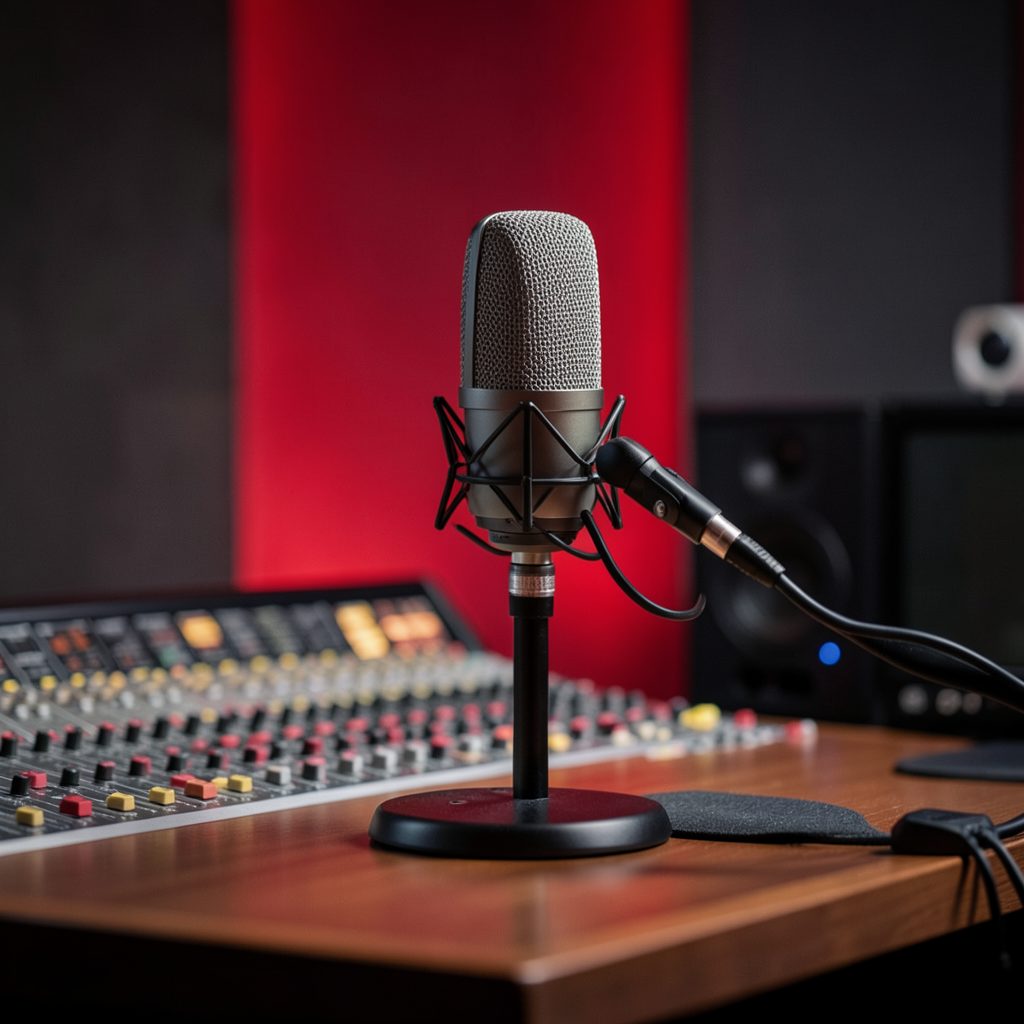
A conversation begins before the microphone is switched on. Read the outlet, understand its audience and ask the producer about the format, duration and likely themes. An interview for a national podcast will require a different pace from a three-minute television cross or a community radio discussion in regional Queensland.
Share a concise briefing note with your key messages, correct name and title, relevant links and pronunciation guidance. If you are discussing research, provide the original source rather than an unattributed statistic. For a book, campaign or workplace program, make sure the audience can find the correct information without being overwhelmed by promotional language.
Your public profile can help producers understand where your experience fits. Andrea McLean’s broadcasting profile demonstrates how varied media work can support credibility across television, speaking and public discussion. The principle is broader than any individual career: prepare evidence of your experience, but let the interview remain centred on the audience’s needs.
Afterwards, note the questions that generated energy, the points that needed clearer wording and the moments where you spoke too quickly. If the interview was recorded, review a short section rather than obsessing over every gesture. You are looking for patterns that will improve future media training, not searching for reasons to criticise yourself.
A useful follow-up can extend the value of the conversation. Share the episode through your professional channels, thank the host and correct factual errors promptly and politely. Keep the focus on the substance of the discussion rather than turning every appearance into a sales message. The aim is to become a welcome guest whose contribution helps the audience think, feel or act differently.
| Interview style | What the guest tends to do | What creates a conversation |
|---|---|---|
| Scripted Q&A | Delivers complete answers in a fixed order | Prepares themes, examples and flexible phrasing |
| Promotional interview | Lists features, achievements or announcements | Connects the offering to a real audience need |
| Challenging interview | Defends every detail immediately | Pauses, clarifies the premise and sets calm boundaries |
| Personal interview | Tells a long story without checking the host’s response | Shares a concise story and follows the interviewer’s interest |
| Expert interview | Uses facts without explaining their relevance | Combines evidence with plain language and practical examples |
A conversational interview is still purposeful. It needs preparation, boundaries and a message that can survive an unexpected question. The difference is that preparation supports listening instead of replacing it. When the guest responds to the person in front of them, the exchange becomes more natural, memorable and useful.
That is the foundation of Andrea McLean’s broader work across broadcasting, writing, public speaking and women’s empowerment. Her official website reflects the value of combining lived experience with practical communication. The same approach allows any guest to turn a short media appearance into a meaningful exchange that earns attention without demanding it.
On Air & In Print
Andrea anchors the ITV lunchtime talk show Loose Women, which she joined in 2007, following 11 years as a core presenter on ITV's breakfast programme GMTV, a role she left on New Year's Eve 2008.
Alongside broadcasting, she has written for Red, Best, Scottish Woman and numerous weekly women's titles since starting as a freelance travel writer in 1993.
See Press & MediaReach & Recognition
A snapshot of the audience and impact behind Andrea's television, publishing and brand work.
This Girl Is On Fire
Andrea is CEO and Co-founder of the female empowerment platform This Girl Is On Fire, built around a mission to help women live, learn and thrive in a life they love.
Explore the PlatformScreen & Studio
Promotional and broadcast work created for television and corporate partners, including Barclaycard, Vistaprint and Wii Fit U.


Explore the Site
Find out more about Andrea's career, writing, media coverage and audience reach.
Get In Touch
For media, corporate or general enquiries, use the form below or reach out directly.
Contact details published on this site have appeared as +44 (0)20 7371 5444 / angharad.marsh@officialandreamclean.com and, on an earlier page, 020 7482 3282 / admin@officialandreamclean.com — please treat both as points of contact.