How To Prepare For A Media Interview As An Author
A media interview can introduce your book to thousands of potential readers, but a strong appearance requires more than knowing your plot or memorising a few promotional lines. Whether you are speaking with a breakfast television presenter, a podcast host or a newspaper journalist, preparation helps you sound informed, warm and memorable.
For Australian authors, the media landscape is broad and fast-moving. You may be invited onto ABC Radio in Brisbane, a commercial breakfast program in Melbourne, a community station in regional New South Wales or a podcast recorded remotely across several time zones. Each setting calls for a slightly different approach, yet the central task remains the same: turn your book into a useful, engaging conversation.
| Interview stage | What to prepare | What the audience should gain |
|---|---|---|
| Before accepting | Outlet, format, topic and timing | Confidence that the opportunity suits your book |
| Message planning | Three key ideas and supporting examples | A clear understanding of your perspective |
| Practice | Short answers, stories and likely follow-ups | A natural, conversational performance |
| Interview day | Technology, appearance and energy | A polished and reliable appearance |
| Afterward | Thanks, follow-up and audience engagement | A relationship that can support future work |
Shape The Story Before You Shape The Answers
Begin by identifying the central idea behind your book. A memoir may be about recovery, identity or starting again; a practical guide may focus on leadership, wellbeing or relationships. The media interview should make that central idea accessible to someone who has never opened the book.
Write one sentence that explains why the book matters now. Avoid trying to include every theme, character or chapter. A presenter may only have six minutes, and a podcast host may move quickly between personal history, current events and practical advice. A focused message gives you something to return to when the conversation takes an unexpected turn.
Next, choose three supporting points. Each should be easy to explain and connected to a real example. Readers remember a moment, image or small detail more readily than a list of abstract claims. If your book explores burnout, you might describe the moment you realised your usual coping strategy had stopped working. If it is a leadership book, you could share a specific conversation that changed your approach.
Think carefully about the personal material you are willing to discuss. Public interest does not create an obligation to disclose everything. Decide in advance which experiences are relevant, which details belong to the page rather than the interview, and which subjects you will keep private. This is especially important when a book touches on family, health, grief or difficult relationships.
Research The Outlet And Australian Audience
Research the journalist, presenter and program before the interview. Listen to a recent episode, read several articles or watch a segment online. Notice whether the host prefers direct questions, personal anecdotes, statistics, humour or debate. Understanding the rhythm of the program will help you prepare answers that fit instead of sounding like a speech delivered to the wrong room.
Australian media has its own practical context. A Sydney television segment may be scheduled around a tight morning rundown, while a national radio interview can involve a producer calling from another state. If you are appearing from Perth for a live conversation with a Melbourne program, confirm the time in Australian Eastern, Central or Western time rather than relying on an automated calendar entry. Regional outlets often value local relevance, so connect your topic with the communities, industries or concerns of their listeners.
Consider the audience’s language as well. Australians generally respond well to clarity and an unforced tone. A polished answer is useful; a rehearsed corporate monologue can create distance. You do not need to imitate slang or perform casualness, but plain English, good humour and a willingness to acknowledge complexity will usually serve you better than inflated promotional language.
Check the interview’s purpose before accepting it. Is the segment tied to a book launch, a broader conversation about women’s wellbeing, a cultural issue or a news story? If the host wants a strong opinion on a subject outside your expertise, establish the boundaries early. You can explain what your book contributes without pretending to be a specialist in every related field. It is also reasonable to say no without guilt when the format, framing or subject is unsuitable.
Create A Reliable Interview Toolkit
Prepare a small set of materials that can be reviewed quickly before you go on air. This is not a script. It is a collection of prompts that keeps your thinking organised while allowing the exchange to remain natural.
Your toolkit might include:
- A one-sentence description of the book and its intended reader
- Three key messages, each paired with a short example
- Two personal stories with a clear beginning, turning point and takeaway
- A list of difficult or predictable questions with concise responses
- The book title, publication details and one clear way to find it
Practise answering in different lengths. Create a fifteen-second version for a quick television grab, a one-minute response for radio and a fuller two-minute answer for a podcast. Start with the main point, add one example and finish with the relevance to the listener. This structure prevents you from taking too long to reach the answer.
Use spoken language when you practise. Read your responses aloud and listen for long sentences, repeated phrases or words you would never use in ordinary conversation. Australian audiences can hear when an answer has been written for the page rather than shaped for the ear. You may want to say “the short version is” or “what surprised me was” because those phrases help listeners follow your thinking.
Avoid memorising complete paragraphs. Memorised wording is fragile: one interruption can make the rest of the answer disappear. Instead, remember the destination of each answer. If you know the point you want to make, you can respond flexibly when the presenter changes the wording of the question.
Prepare a calm response to questions that feel challenging. You can acknowledge the premise, correct an inaccurate detail and redirect to your area of knowledge. For example: “I understand why people ask that. My experience was slightly different, and what I explore in the book is…” This keeps the conversation constructive without becoming defensive.
Rehearse For The Format And The Nerves
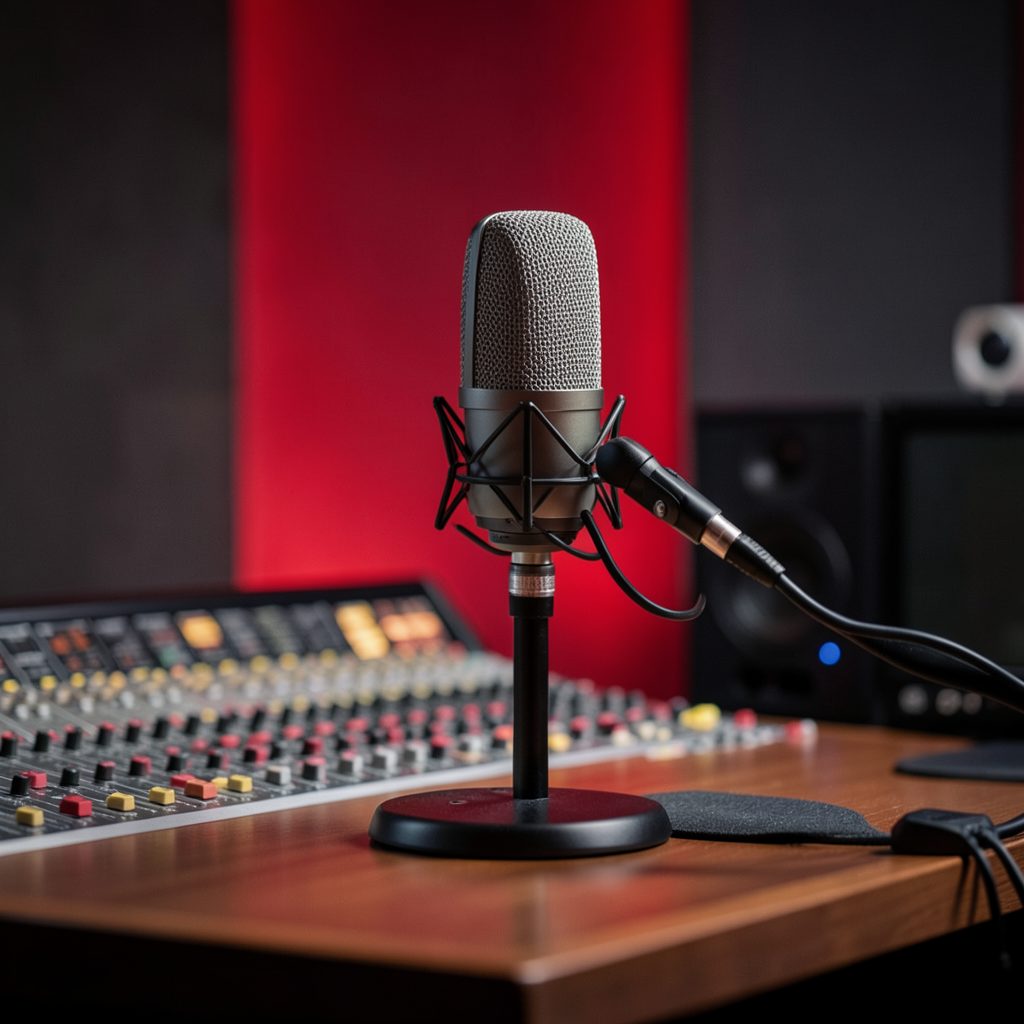
Different media formats reward different kinds of preparation. Television depends on concise answers, visible energy and an awareness of the camera. Radio depends on vocal variety, clear descriptions and verbal signposting because listeners cannot see your expression. Podcasts often allow greater depth, but the relaxed setting can lead to longer, less focused answers.
For video interviews, test your camera, microphone, lighting and background well before the scheduled time. Place the camera near eye level, remove distracting movement behind you and check that your book is within reach if you need to refer to it. Wear something comfortable that reflects your professional identity without creating visual distractions. If you want to study how experienced broadcasters use pace and presence, the video collection offers useful examples of presentation style and audience connection.
For radio or podcast appearances, use headphones if the producer recommends them and keep notes at eye level rather than looking down for long periods. Have water nearby, silence phone notifications and let people in your household know when the interview is taking place. If you are joining from home during a busy Australian morning, allow extra time for internet problems, school drop-offs or unexpected noise.
Nerves are not a sign that you are unprepared. They are often a sign that the opportunity matters. Before the interview, breathe slowly, loosen your shoulders and speak your first answer slightly more slowly than feels natural. A pause is acceptable. Presenters expect guests to think, and a measured answer sounds more confident than a rushed one.
Practise with another person who is willing to interrupt you and ask follow-up questions. Ask them to challenge vague claims, change the topic suddenly and request a shorter answer. This prepares you for the actual rhythm of conversation far better than reading notes silently. If possible, record the rehearsal and review your pace, facial expression and clarity without judging every small imperfection.
Turn One Interview Into An Ongoing Connection
The interview is part of a wider relationship with the media, readers and the people who help bring the opportunity together. Afterward, send a brief, personal message to the journalist, producer or host. Mention something specific from the conversation rather than sending a generic note. A thoughtful thank-you note can help you be remembered when a related story or future book creates another opportunity.
Share the interview through your own channels when permitted, but add context instead of posting only a link. Explain what the discussion covered, identify a useful takeaway or thank the production team. Tag the program and presenter accurately, and check any broadcast or publisher guidelines before uploading clips. A respectful post can extend the life of a short segment, particularly when listeners in different Australian states encounter it at different times.
Track what happens after the interview. Note which questions generated the strongest response, which explanations felt unclear and which phrases readers repeated back to you. Review website visits, newsletter sign-ups, event enquiries or book sales when those figures are available. The purpose is not to judge your worth by immediate results; it is to learn which ideas connect with the audience.
Stay available without becoming intrusive. If a journalist asks for a short follow-up or a fact check, respond promptly and accurately. If you do not know something, say so and offer to check it. Keep a simple media page with your biography, book information, approved photographs and contact details. This reduces friction for producers working to tight deadlines.
The most effective author interview is a generous exchange. You bring expertise, experience and a book with something to say; the presenter brings an audience, a format and questions that may reveal an unexpected angle. Prepare your message carefully, protect your boundaries and leave enough room for genuine conversation. That balance allows you to promote your work while giving listeners a reason to remember your voice.
On Air & In Print
Andrea anchors the ITV lunchtime talk show Loose Women, which she joined in 2007, following 11 years as a core presenter on ITV's breakfast programme GMTV, a role she left on New Year's Eve 2008.
Alongside broadcasting, she has written for Red, Best, Scottish Woman and numerous weekly women's titles since starting as a freelance travel writer in 1993.
See Press & MediaReach & Recognition
A snapshot of the audience and impact behind Andrea's television, publishing and brand work.
This Girl Is On Fire
Andrea is CEO and Co-founder of the female empowerment platform This Girl Is On Fire, built around a mission to help women live, learn and thrive in a life they love.
Explore the PlatformScreen & Studio
Promotional and broadcast work created for television and corporate partners, including Barclaycard, Vistaprint and Wii Fit U.

Explore the Site
Find out more about Andrea's career, writing, media coverage and audience reach.
Get In Touch
For media, corporate or general enquiries, use the form below or reach out directly.
Contact details published on this site have appeared as +44 (0)20 7371 5444 / angharad.marsh@officialandreamclean.com and, on an earlier page, 020 7482 3282 / admin@officialandreamclean.com — please treat both as points of contact.