Finding Your Balance After a Big Public Event
A public event can leave you feeling bright, capable and intensely connected. You may have spent hours speaking, listening, smiling for photographs, answering thoughtful questions and responding to the energy of a room. Then the doors close, the journey home begins and the house is suddenly quiet. That sharp change can feel confusing, especially when your public confidence has been genuine and the tiredness that follows is just as real.
The emotional whiplash of a public event and a quiet home is usually a nervous-system shift rather than a sign that something has gone wrong. The stimulation falls away faster than your body can process it. With a few deliberate habits, you can honour the high of the occasion, make space for recovery and return to ordinary life without judging the quieter version of yourself.
| Public event mode | Quiet home mode | Helpful response |
|---|---|---|
| Fast conversation, applause and constant attention | Fewer sounds, slower speech and more personal space | Allow a transition period before making decisions |
| Performance focus and polished presentation | Comfort, privacy and practical routines | Change clothes, eat and lower the lights |
| Adrenaline and social momentum | Fatigue, reflection or low mood | Treat the dip as recovery rather than failure |
| Many people needing something from you | Family, pets or household tasks waiting | Communicate your capacity clearly |
| External validation and visible purpose | Little immediate feedback | Record what mattered about the event for yourself |
Understand The Post-Event Dip
During a conference, broadcast appearance, book event or corporate keynote, your attention is directed outwards. You are reading the room, remembering key points, managing timing and responding to other people’s reactions. Even an enjoyable engagement asks your brain to remain alert. Applause and warm feedback can lift your mood, while travel, bright lights and a packed schedule keep your system activated.
When you arrive home, that stimulation disappears. The contrast may show up as restlessness, tearfulness, irritability, a headache or an urge to keep checking messages. You might also feel strangely flat after an event that went extremely well. This is common after hosting in Sydney, speaking at a Melbourne venue or travelling between Australian cities for work, where early flights, traffic and long distances can add physical strain to emotional exertion.
Try to name the experience accurately: “I am coming down from a demanding day.” That sentence is kinder and more useful than “I am being ungrateful” or “I should be happier.” A temporary change in mood is information about your need for rest, food, water and privacy. It is not a verdict on your career, your relationships or the value of the event.
Create A Gentle Landing
A landing ritual gives your mind a bridge between public performance and private life. It could begin before you leave the venue: drink water, eat something substantial and spend five minutes without conversation. If you are driving home after an event, choose calm music or silence instead of immediately replaying every answer you gave. If you are travelling by train across Melbourne or waiting at an airport, use that time as a decompression window rather than another opportunity to work.
At home, change out of event clothes, wash your face and adjust the environment. Softer lighting, a warm shower and comfortable clothes send clear signals that the working day has ended. A simple meal can be more restorative than a glass of wine, particularly after a hot Brisbane day or a long session in a heavily air-conditioned venue. Keep the routine uncomplicated enough to follow when you are exhausted.
Let the people close to you know what kind of arrival you need. “I am pleased to be home, but I need half an hour to settle” is clearer than withdrawing without explanation. A partner, child or housemate may interpret sudden quiet as anger unless you give them context. You can offer connection in a smaller form: a cuddle, a cup of tea or a short update, followed by time alone.
Make Quiet Feel Like A Choice
A quiet home can expose feelings that were temporarily held at bay by activity. You may remember a difficult conversation, question whether you said enough or feel the absence of the audience that made your work visible. Instead of filling every pause with social media, television or more emails, allow a small amount of silence. It can feel uncomfortable at first because stimulation has become a habit.
A useful practice is to write three brief notes: what went well, what you learned and what can wait until tomorrow. This prevents your brain from treating every thought as an urgent problem. You could include a specific moment when someone felt encouraged, a question that deserves future attention or a practical detail such as sending an invoice. Once it is written down, your mind has less need to rehearse it through the night.
The Australian habit of fitting life around work can make this difficult. A speaking engagement in Perth may involve several days away, while a morning flight back to Sydney can place you straight into school drop-offs, household errands or another meeting. Recovery does not have to mean an entire day off. Ten phone-free minutes, a walk around the block or breakfast eaten while sitting down can create a meaningful buffer.
Protect Your Body And Boundaries
Emotional regulation becomes harder when basic physical needs have been ignored. Public-facing work often involves irregular meals, prolonged standing, travel and sustained vocal effort. Before analysing the event, check whether you are dehydrated, hungry, overtired or carrying tension in your jaw and shoulders. Gentle stretching, a proper meal and an earlier bedtime may resolve part of what feels like an emotional crisis.
Boundaries matter after the event as much as they did before it. You do not have to answer every message while the experience is still fresh. If your work involves an employer or corporate client, agree in advance about follow-up, photographs, social posts and availability. In Australia, the right to disconnect under the Fair Work Act gives many employees protection around refusing to monitor or respond to work-related contact outside their hours, subject to reasonable exceptions. It is a useful reminder that accessibility is not the same as professionalism.
Public attention can also make privacy feel fragile. Avoid sharing private health information, family details or vulnerable reflections online simply because an event has created momentum. The same applies to photographs of other people, particularly children. Decide what belongs to the public conversation and what should remain yours. The official Andrea McLean website reflects how broadcasting, authorship, speaking and women’s wellbeing can sit together without requiring every personal detail to be exposed.
Reconnect With Meaning Beyond Applause
The strongest way to soften the drop after a public appearance is to remember the purpose beneath the visibility. Applause is immediate, but impact may be quiet and delayed. Someone may change a workplace conversation, seek support, begin writing or feel less alone because of something you said. A meaningful event can continue working in people’s lives after the room has emptied.
This is particularly important when your work touches resilience, leadership, women’s health or personal growth. Andrea McLean’s This Girl Is On Fire platform speaks to the energy of women building a fuller relationship with their own voice and ambitions. That kind of work is larger than a single stage moment. The event is one expression of the mission, not the sole proof that the mission matters.
Create a private measure of success alongside public feedback. Did you stay present? Did you communicate an idea honestly? Did you respect your energy? Did you leave with a clearer understanding of what your audience needs? These questions bring satisfaction back inside your own values. They are especially useful in a market where online visibility, audience metrics and polished personal branding can make external approval feel like the main currency.
Build A Sustainable Rhythm
A full calendar can create a cycle of anticipation, performance and collapse. Review the space around each engagement when you accept it. If possible, avoid placing a major keynote directly beside a long flight, a television appearance or a demanding family commitment. Allowing even one protected evening can change the quality of your recovery. For interstate work, account for Australian travel realistically rather than treating a four-hour flight as if it were a brief commute.
Your schedule should include low-stimulation activities that restore rather than distract. A swim, a slow walk, cooking, gardening or time with a trusted friend can help your body discharge excess energy. You may prefer the beach in Perth, a quiet park in Adelaide or a gentle neighbourhood walk in Canberra. The location matters less than the absence of performance and the permission to move at an ordinary pace.
If the post-event crash becomes intense, lasts for many days or begins affecting sleep, relationships and work, seek professional support. A psychologist or GP can help you explore anxiety, burnout, depression or hormonal and physical factors without reducing everything to a busy schedule. Support is a practical part of sustaining public work, especially when your role involves carrying other people’s stories and hopes.
The aim is not to eliminate the contrast between a lively venue and a quiet house. That contrast can become a healthy rhythm: engagement followed by restoration, visibility followed by privacy, collective energy followed by a return to yourself. When you plan for the landing as carefully as you plan the appearance, home no longer feels like an abrupt drop. It becomes the place where the experience can settle, make sense and become part of a life that is larger than the stage.
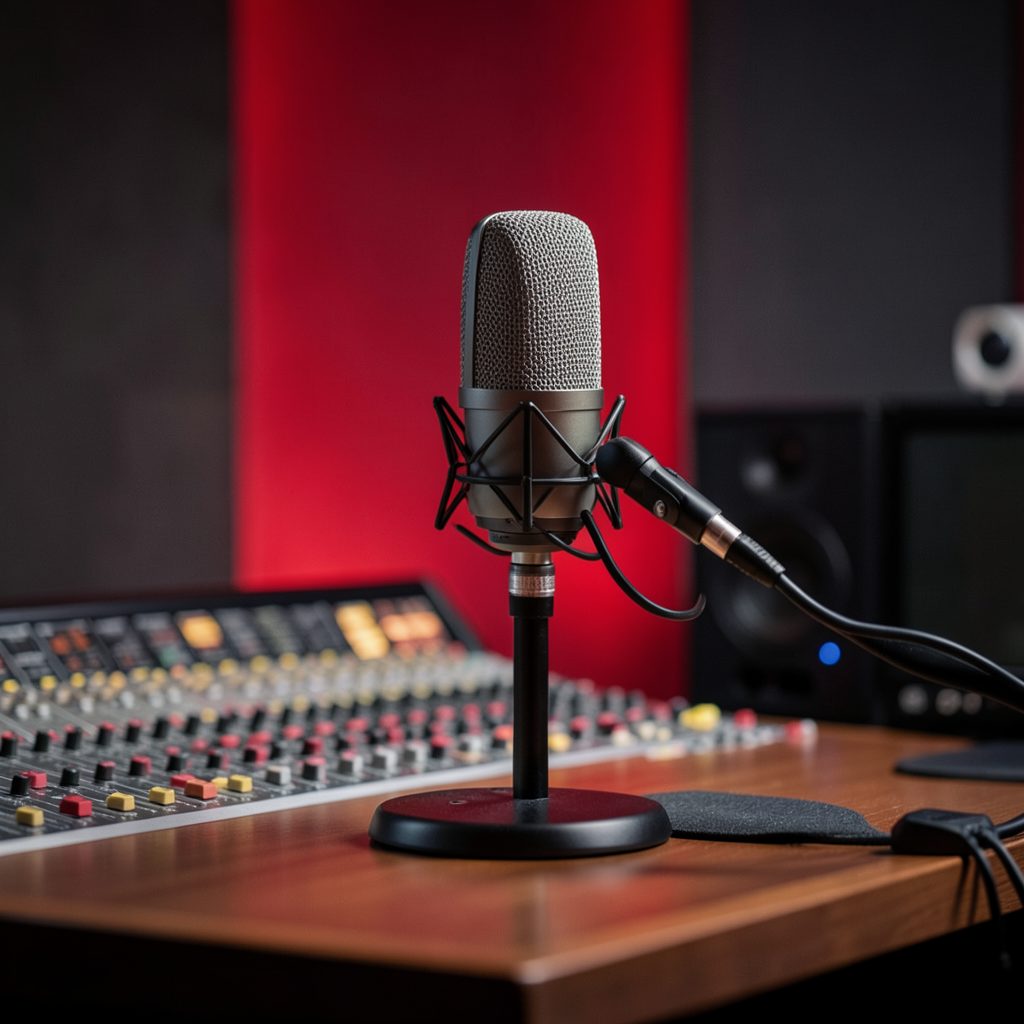
On Air & In Print
Andrea anchors the ITV lunchtime talk show Loose Women, which she joined in 2007, following 11 years as a core presenter on ITV's breakfast programme GMTV, a role she left on New Year's Eve 2008.
Alongside broadcasting, she has written for Red, Best, Scottish Woman and numerous weekly women's titles since starting as a freelance travel writer in 1993.
See Press & MediaReach & Recognition
A snapshot of the audience and impact behind Andrea's television, publishing and brand work.
This Girl Is On Fire
Andrea is CEO and Co-founder of the female empowerment platform This Girl Is On Fire, built around a mission to help women live, learn and thrive in a life they love.
Explore the PlatformScreen & Studio
Promotional and broadcast work created for television and corporate partners, including Barclaycard, Vistaprint and Wii Fit U.

Explore the Site
Find out more about Andrea's career, writing, media coverage and audience reach.
Get In Touch
For media, corporate or general enquiries, use the form below or reach out directly.
Contact details published on this site have appeared as +44 (0)20 7371 5444 / angharad.marsh@officialandreamclean.com and, on an earlier page, 020 7482 3282 / admin@officialandreamclean.com — please treat both as points of contact.