From Breakfast Television To A New Chapter In Writing
For years, my working life was shaped by the pace of breakfast television. The alarm went off before most people had opened their curtains, the studio lights came on, and the day began with scripts, live interviews, breaking news and the constant possibility that anything could happen. Broadcasting taught me how to think quickly, listen carefully and connect with people in real time.
Moving from television into authorship was a natural progression, although it did not always feel straightforward. A television programme disappears as soon as it has been broadcast, while a book asks you to sit with an idea for months or even years. It requires patience, honesty and the willingness to explore parts of your experience that may be easier to leave unexamined.
My transition from breakfast television to author began when I realised that some of the conversations I cared about needed more time than a three-minute interview could provide. Writing gave me the space to explore women’s health, identity, confidence and change in a deeper, more personal way.
Learning To Live At Broadcast Speed
Breakfast television is an extraordinary education in communication. It teaches you to absorb information quickly, understand what matters to an audience and deliver something useful while the clock continues to move. Every segment has a purpose, whether it is a news update, a conversation with a guest, a consumer story or a lighter moment to help viewers begin their day.
The presenter is visible, but live television is always a collective effort. Producers, researchers, camera operators, make-up artists, directors and studio teams work together to create something that feels effortless. Being part of that environment gave me a profound respect for preparation. Spontaneity works best when it is supported by knowledge, discipline and trust.
Television also taught me the importance of a genuine human connection. Viewers may be watching from their kitchens, bedrooms or daily commute, but they are still individuals with worries, hopes and complicated lives. The best interviews are not performances. They are conversations in which somebody feels heard.
That understanding became central to my writing. I did not want to produce a book that sounded distant or overly polished. I wanted the pages to feel like an honest conversation, with the same warmth and directness I valued in broadcasting.
Recognising The Stories That Needed More Space
As my career developed, I became increasingly aware of how many women were carrying difficult experiences in silence. Conversations about confidence, exhaustion, hormones, ageing and self-worth were often reduced to jokes or treated as private matters. Yet these subjects affect relationships, careers, family life and mental wellbeing.
Television allowed me to raise some of these issues, but the format had clear limitations. A guest might have a powerful story, but the conversation could end just as it began to reach the heart of the matter. Viewers might write in with their own experiences, and there would be no room to respond to every one. I began to feel that a longer form of storytelling could create a more meaningful connection.
Writing became a way to gather those observations together. It allowed me to move between personal experience, practical reflection and the wider social questions affecting women. I could acknowledge uncertainty rather than rushing towards a neat answer. I could give a complicated feeling an entire page instead of a brief soundbite.
This was especially important when writing about menopause and midlife change. Many women have been expected to cope quietly while their bodies and circumstances shift around them. Speaking openly about these experiences can be freeing, and putting them into a book can help readers recognise that they are not isolated.
From A Conversation To A Manuscript
The first major adjustment was learning that a good television idea and a good book idea are not identical. A television segment needs a clear focus and a strong beginning, middle and end. A book needs a deeper structure. It must sustain attention across many chapters while giving the reader a reason to keep turning the page.
I had to discover how to create that architecture. I began with the central message I wanted to communicate, then considered the experiences and themes that supported it. Personal stories became a way of opening a door, but they needed to serve a wider purpose. I wanted readers to see themselves in the writing, rather than simply learn about my life.
The process also required a different kind of editing. In live broadcasting, a producer may tighten a question or change the running order within seconds. In publishing, a sentence can be revisited repeatedly. A chapter can be moved, reshaped or removed altogether. That slower process was unfamiliar, but it made me more precise.
| Broadcasting Skill | How It Supported My Writing |
|---|---|
| Researching guests and topics | Helped me build trustworthy, relevant chapters |
| Listening closely | Made personal stories more nuanced and compassionate |
| Working to a deadline | Created the discipline to keep writing |
| Speaking plainly | Kept complex subjects accessible |
| Responding to an audience | Reminded me to write for real people, not an abstract reader |
| Handling live pressure | Gave me resilience when the manuscript felt difficult |
The manuscript also made me confront the difference between being open and being revealing for its own sake. Authentic writing does not mean sharing every detail. It means understanding why a story belongs in the book and how it may help, reassure or challenge somebody reading it.
Finding My Voice On The Page
Television presenting depends heavily on voice, expression and presence. A viewer hears the tone of a question and sees the response immediately. On the page, those visual cues disappear. The words have to carry the warmth, humour and honesty that might otherwise be communicated through a glance or a pause.
I learned to write in the way I wanted to speak: clearly, directly and without unnecessary distance. That did not mean every sentence had to be casual. It meant resisting language that sounded impressive but felt unlike me. My aim was to make the reader feel accompanied, particularly when discussing subjects that can bring up embarrassment or fear.
Writing also gave me permission to show more reflection. In television, I often helped other people tell their stories. In a book, I had to examine my own decisions, doubts and periods of change. That demanded courage because authorship puts your inner thoughts into a form that strangers can revisit whenever they choose.
The result was a different kind of relationship with an audience. Broadcasting creates immediacy; publishing creates longevity. A programme may reach many people in one morning, while a book can find a reader years after it was written, at precisely the moment they need its message.
My wider work has continued to grow from that connection. Through This Girl Is On Fire, I have been able to develop a platform centred on women’s empowerment, wellbeing and the shared strength that comes from honest conversations.
Turning Personal Experience Into Purpose
Becoming an author did not mean leaving broadcasting behind. It meant using the skills I had developed in television in a new way. Interviewing had taught me how to create trust. Live presenting had taught me how to make complicated ideas understandable. Journalism had taught me to question assumptions and look for the detail behind a headline.
Those abilities became especially valuable when writing about personal growth. Advice is most useful when it respects the reality of people’s lives. Many readers are balancing work, caring responsibilities, relationships, financial pressure and health concerns. A message about confidence cannot simply tell somebody to believe in themselves. It needs to recognise the obstacles that may have shaped their self-doubt.
My books have allowed me to combine personal storytelling with encouragement and practical insight. I write about resilience as something that can be built gradually, rather than a quality that some people possess and others lack. I write about boundaries, self-respect and the importance of asking for support. These ideas are connected to women’s health because emotional and physical wellbeing cannot be separated completely.
Authorship also strengthened my work as a public speaker. A book gives you a body of ideas to explore in keynote talks, workshops and conversations with organisations. The themes can then be adapted for different audiences, from leadership teams considering workplace culture to women looking for a renewed sense of direction.
Making Room For A More Honest Career
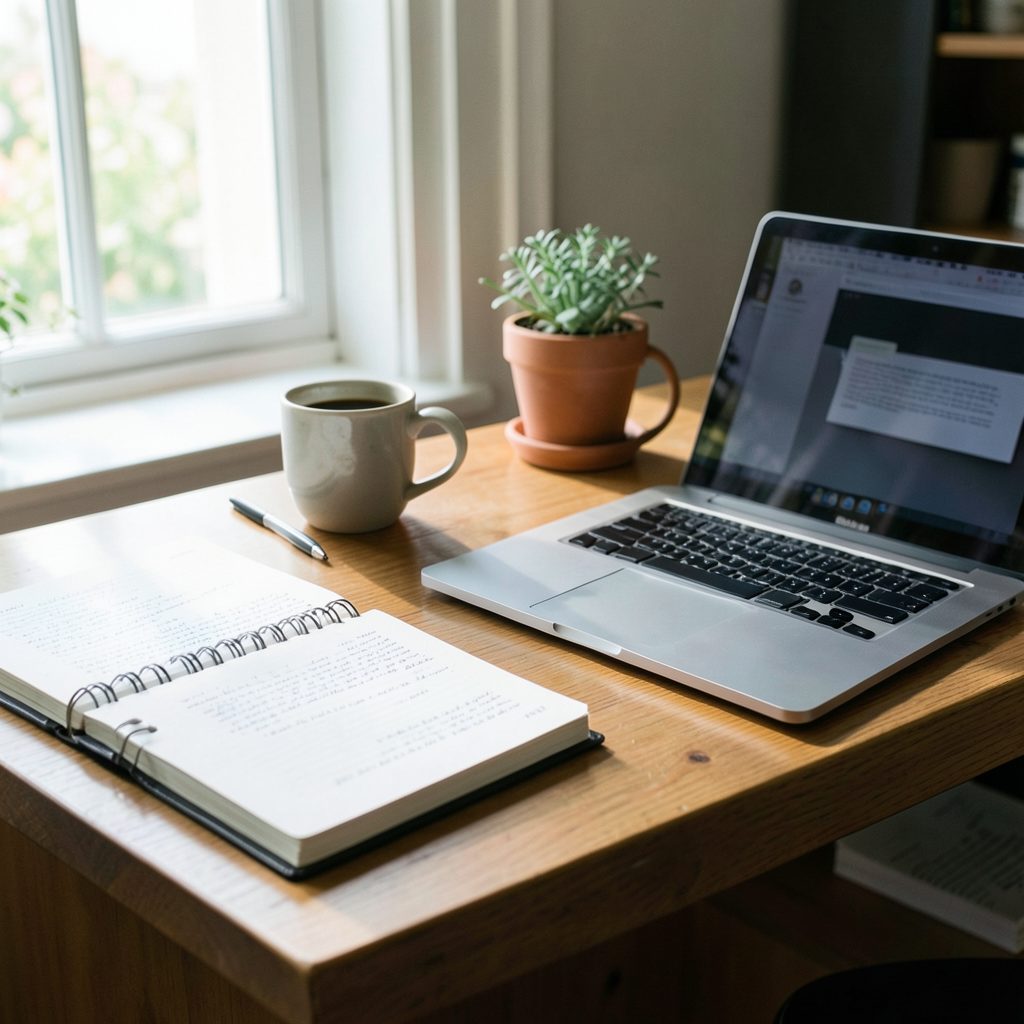
A career transition is rarely a single dramatic decision. It is usually a series of small recognitions. You notice the subjects that continue to interest you, the conversations you return to and the work that leaves you feeling most useful. For me, authorship emerged from that gradual process.
There were practical concerns, of course. Writing requires sustained focus, and the results are not immediate. A live programme offers an instant response: a guest answers, a viewer reacts, and the production moves forward. A manuscript can spend months in private before anyone else sees it. That quiet period can test your confidence.
I found it helpful to remember that a change in format does not erase previous experience. The studio, the newsroom and the years spent speaking to audiences had prepared me in ways I could not always see. They had given me a strong work ethic, curiosity and the ability to keep going when plans changed.
For anyone considering a similar move, these are the principles I have found most useful:
- Follow the subjects that continue to matter to you after the interview has ended.
- Treat your existing experience as a foundation rather than something you must leave behind.
- Create a regular writing routine, even when the work feels unfinished or uncertain.
- Let your natural speaking voice guide the tone, while allowing the page to hold more depth.
- Remember that vulnerability should have a purpose and should serve the reader.
What The Change Has Given Me
The greatest gift of becoming an author has been time. Not time in the usual sense, because deadlines still exist and life remains busy, but time to consider what I really want to say. A book makes it possible to stay with a subject long enough to understand its layers.
It has also broadened the way I connect with people. Readers often share experiences that they might never mention during a public event. They tell me that a particular passage helped them name a feeling, begin a conversation or seek support. Those responses show how powerful written words can be when they meet somebody at the right moment.
I continue to value the energy of broadcasting, the discipline of journalism and the immediacy of live events. I also value the quieter concentration of writing. These parts of my career are connected by the same purpose: to communicate with honesty and help people feel less alone in whatever they are facing.
My work has evolved from presenting the morning news to writing about the private realities that often sit behind public confidence. That evolution has included books, keynote speaking, event hosting and advocacy for women’s wellbeing. Readers can explore more of these ideas through my published articles, where I continue to reflect on resilience, health, leadership and personal change.
If your organisation is looking for a speaker or event host who can bring warmth, experience and practical insight to a conversation, explore the opportunities to work with me. Whether the focus is women’s health, workplace wellbeing, leadership or personal growth, I bring the lessons of television and authorship together to create an engaging, honest and memorable experience.
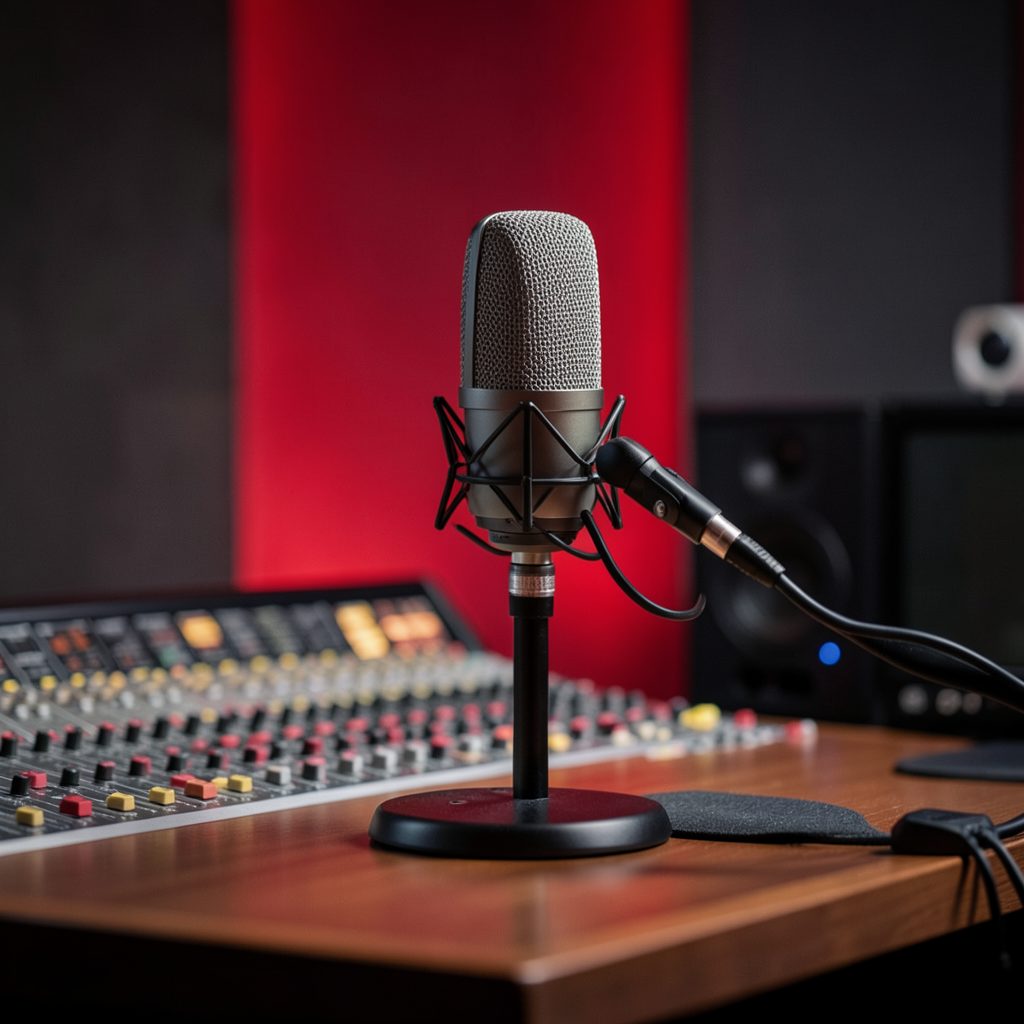
On Air & In Print
Andrea anchors the ITV lunchtime talk show Loose Women, which she joined in 2007, following 11 years as a core presenter on ITV's breakfast programme GMTV, a role she left on New Year's Eve 2008.
Alongside broadcasting, she has written for Red, Best, Scottish Woman and numerous weekly women's titles since starting as a freelance travel writer in 1993.
See Press & MediaReach & Recognition
A snapshot of the audience and impact behind Andrea's television, publishing and brand work.
This Girl Is On Fire
Andrea is CEO and Co-founder of the female empowerment platform This Girl Is On Fire, built around a mission to help women live, learn and thrive in a life they love.
Explore the PlatformScreen & Studio
Promotional and broadcast work created for television and corporate partners, including Barclaycard, Vistaprint and Wii Fit U.
Explore the Site
Find out more about Andrea's career, writing, media coverage and audience reach.
Get In Touch
For media, corporate or general enquiries, use the form below or reach out directly.
Contact details published on this site have appeared as +44 (0)20 7371 5444 / angharad.marsh@officialandreamclean.com and, on an earlier page, 020 7482 3282 / admin@officialandreamclean.com — please treat both as points of contact.